
Alex is 34, rents a one-bedroom in a bustling city, freelances on weekdays and runs a small landscaping side-hustle on weekends. Like many born between 1981 and 1996, Alex faces rising living costs and a confusing insurance market in 2025. Between healthcare bills, a beloved rescue dog, occasional rideshare driving and plans to buy a condo in a few years, the big question is: which policies actually protect you without draining your bank account? This piece walks through the practical, must-have coverages for millennials, using Alex’s choices to illustrate trade-offs, affordable options and coverage gaps to avoid.
En bref — Health insurance is non-negotiable; consider a high-deductible plan + HSA; renters insurance protects your stuff even when the landlord’s policy won’t; carry at least state-minimum auto liability and think about a cheap non-owner policy during coverage gaps; if you have dependents, buy term life while you’re young; small-business owners need workers’ comp and a bundled BOP; add-ons like pet, travel and an umbrella policy are cost-effective shields.
Essential health, auto and renters/home insurance for millennials
Start where risks are largest. For Alex, a medical emergency or a car crash is the sort of financial shock that can derail plans to buy a home. That’s why health insurance, auto coverage and either renters or homeowners insurance top the list.
Health insurance: how to avoid catastrophic bills
About two thirds of millennials historically carried private plans, while around 16% remained uninsured — a gamble that’s riskier now with higher medical prices. If you’re like Alex and budget-conscious, look into subsidized marketplace plans or a high-deductible bronze plan paired with an HSA to lower premiums without exposing you to ruinous bills.
Compare in-network benefits for expensive screenings if you’re approaching your late thirties or forties; some tests can cost hundreds or thousands out-of-pocket. Practical reading on how deductibles work can help you pick the right option: see understanding deductibles. For straightforward shopping tactics and enrollment timing, check health insurance tips.
Final insight: buying a plan that covers major procedures and essential screenings often saves far more than the few dollars you might shave from premiums.
Auto insurance: household drivers, gaps and car-sharing
Insurers look at everyone living under your roof when setting your premium. If you live with a high-risk driver, your rates may climb — Alex faced this when a teenage cousin moved in. One option is to exclude that driver from your policy, but exclusion means no coverage if they crash your vehicle.
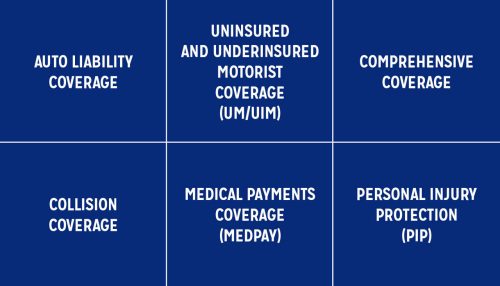
When you’re between cars or using shared vehicles, a non-owner car insurance policy prevents a lapse and keeps future rates down. For specifics on coverage options and how collision vs. comprehensive differ, read auto insurance coverage benefits.
If you occasionally use a car for work tasks beyond commuting, a commercial auto or business endorsement may be required; business owners should review dedicated guidance at business insurance for assets. Final insight: treat gaps in auto coverage as a long-term rate driver — plug them cheaply now to avoid higher premiums later.
Renters insurance: cheap protection most people skip
Most millennials rent at some point, and renters insurance covers your belongings when a landlord’s policy only covers the building. Alex learned this after a water leak damaged electronics; without renters insurance, replacement costs would’ve eaten his emergency fund.
Inventory your stuff with photos or video and receipts to set realistic limits. Need a practical primer on what renters policies include? Start with renters insurance coverage and the broader insurance policies explained guide.
Final insight: renters insurance is often under $20/month and replaces or repairs what matters — don’t skip it.
Life, business and smart add-ons every millennial should consider
Once you’ve covered the essentials, decide on longer-term protections: life insurance if you have dependents, business coverages if you employ others, and targeted add-ons that simplify risk for modern lives.
Life insurance: term vs permanent for future planning
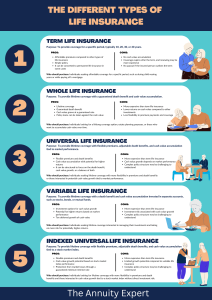
Fewer than half of millennials carry life insurance. Buying younger locks in lower rates: a term policy gives a focused, affordable death benefit for a set number of years, while permanent policies build cash value but cost more upfront.
Think in terms of obligations: child care, mortgage payoff, or co-signed debt. For clear basics on what to buy and when, see life insurance basics. Some use a permanent policy as a savings vehicle and collateral for low-interest policy loans when launching a venture.
Final insight: match the term length to real obligations — don’t outlive the purpose of the policy.
Commercial insurance: what small business owners really need
About 13% of millennials run a small business in some form, and the rules are clear: if you hire staff, workers’ compensation is mandatory in most states. Alex’s weekend landscaping gigs required him to add a basic commercial policy once he hired a helper.
A Business Owners Policy (BOP) bundles property and liability coverages affordably, while an umbrella policy gives extra liability protection for serious claims — learn more about broader protections at umbrella insurance protection. For startups, protecting digital assets and having cyber coverage is increasingly relevant in 2025.
Final insight: bundling smartly lowers cost and ensures gaps don’t sink a fledgling business.
Smart add-ons: pet, travel and umbrella policies worth the price
Millennials love pets — and unexpected vet bills can be steep. Pet insurance can cap those costs and smooth decision-making when emergencies occur; see pet insurance explained for policy types.
If you travel often for remote work or leisure, a tailored travel policy protects against cancellations, medical emergencies abroad and lost gear; review travel insurance benefits to match coverage to frequency of travel. Also consider an umbrella policy for added liability protection when assets begin to accumulate.
Final insight: small riders often prevent large outlays — evaluate add-ons based on lifestyle triggers, not blanket fear.
Building a personalized plan: how Alex picked coverage for 2025
Alex settled on a pragmatic mix: a subsidized health plan with an HSA, a basic auto liability plus a non-owner policy during the car search, renters insurance with extra contents limits, a 20-year term life policy sized for childcare contingencies, and a modest BOP when the landscaping side-hustle hired its first worker.
He shopped multiple carriers, compared deductible scenarios and used product bundles with names like Millennial Shield, NextGen Coverage and Urban Protect to test prices. For actionable steps on filing claims or understanding what to expect when you need to file, consult insurance claims file and practical buying tips at right insurance tips.
Final insight: tailor coverage to life stages — protect what would ruin your plans first, then layer in optional shields like SmartPolicy, FutureGuard, Peak Assurance, Gen Y Secure, Modern Cover, BrightShield and YouthGuard Insurance only as needed.