
Maya just bought her first car and is house-hunting in a city where storms have become more unpredictable. Like many first-time buyers, she feels swamped by jargon and endless quote screens — yet she knows one wrong choice could cost her thousands. This piece follows Maya as she learns to compare coverages, spot exclusions, and balance premiums with real-world risk. You’ll get practical steps for choosing what matters, from assessing your personal exposure to making claims easier when the unexpected happens. Along the way we’ll test real trade-offs (higher deductible vs. monthly savings), show how to unlock common discounts, and point out the sneaky exclusions that trip up new policyholders. Expect crisp examples, short checklists you can memorise, and pointers to tools that streamline comparison shopping so you don’t waste time or money. By the time you finish, you’ll have a clear action plan — like Maya — for picking the insurance that actually protects your life, not just your wallet. Choosing the right insurance starts with asking better questions and trusting a mix of data and common sense.
En bref — quick takeaways
Start with needs: identify what you must protect — car, home, health — then build from there.
Compare beyond price: check limits, deductibles, claim handling and exclusions before you buy.
Find discounts: bundling and safety records often cut premiums more than switching companies.
Read the fine print: exclusions like flood or earthquake are common gaps you may need to insure separately.
Review annually: life changes matter — update your coverage after big events like moves, marriage, or new assets.
How to choose the right insurance: understanding types and what they protect
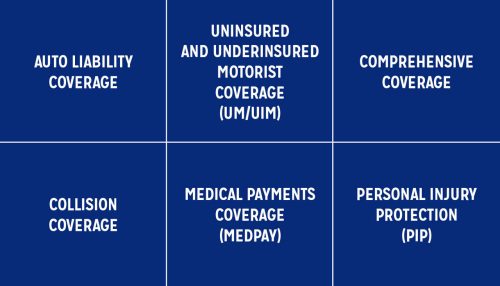
When Maya sat down with a friend who’s an insurance broker, she realised policies fall into clear categories: health, auto, and home. Each one answers a different question — “who pays my medical bills?”, “who fixes the car after a crash?”, “who rebuilds or replaces my things?” — and mixing them up leads to gaps.
For example, Maya’s neighbour thought homeowner’s insurance covered basement flooding; it didn’t. She learned to check whether water damage due to surface flooding or sewer backup was excluded, then bought a targeted rider. That targeted purchase cost less than the unexpected repair bill and gave real peace of mind.
Smart tip: map your assets (savings, vehicle, property) and likely risks (commute, local weather, family health history) before picking a policy — it makes comparing offers meaningful.

Final insight: understanding each policy’s core purpose prevents costly overlap or dangerous gaps.
Choosing the right insurance: common mistakes first-time buyers make
Maya made two classic errors at first: she chased the cheapest premium and skimmed the policy PDF. That led to a denied claim after a small car accident because her rental-car coverage had been excluded. Cheaper doesn’t always equal better; it can mean less support when you really need it.
Another pitfall is ignoring the insurer’s reputation. Maya started checking feedback and claims processing ratings, and that changed her pick. A slightly higher premium with faster, clearer claims handling turned out to be the better value when she later filed for storm damage.
Real-world fix: ask a prospective insurer how long claims typically take and request a sample claims checklist. Look up user reviews and solvency ratings to avoid surprises.
Final insight: avoiding cheap-first decisions and poor research keeps your protection meaningful when a claim happens.
How to choose the right insurance policy: practical steps to compare offers
Start by listing the outcomes you need covered. Maya wrote down: car repairs, third-party liability, contents replacement, and occasional rental-car support. With that checklist she pulled quotes and compared three core numbers: premium, deductible, and coverage limits.
She then cross-checked optional add-ons like roadside assistance and legal protection. To streamline the search she used an online marketplace and a local broker; both helped spot discounts and bundles. For instance, bundling home and auto saved her 12% on premiums — a typical win that many buyers miss.
Looking for tools? Try a reliable comparison portal or the industry guide on an insurance marketplace to benchmark offers. Also see a policy comparison tool when you want side-by-side clause comparisons, or use a free quote service to collect baseline prices fast.
Example: Maya compared two providers: one offered a lower premium but had slow claims service; the other charged a bit more but included quick-response support and deductible forgiveness after three claim-free years. She chose the latter and avoided a major hassle later.
Final insight: a simple checklist plus side-by-side feature checks beats hunting for the lowest monthly price.
Tips for finding affordable cover when choosing the right insurance
Affordable doesn’t have to mean flimsy. Maya learned to ask about discounts: safe driver credits, multi-policy bundles, and loyalty breaks. She also raised her deductible slightly to reduce premiums, but only after confirming she had an emergency fund to cover that higher out-of-pocket cost.
Another tactic: check specialised products from trusted brands like SmartCover, SureChoice, and TrustGuard for comparative pricing. Niche providers such as PolicyPicks or SecureSelect sometimes undercut big names on very specific packages, so sample both mainstream and niche offers.
Before committing, ask for all available discounts. Use resources like a consumer guide on compare quotes or read local insurance tips on consumer insurance advice to spot savings you might overlook.
Final insight: combine small discounts, smart deductible choices, and selective add-ons to lower cost without losing core protection.
How to choose the right insurance: reading the fine print and planning reviews
The fine print is where coverage lives or dies. Maya now highlights exclusions and claim conditions in her policies. One insurer excluded damage from certain weather events; another required specific maintenance records for claims on older appliances. Those details shaped her final decision.
Make it a habit to review policies annually and after life changes. When Maya married and combined households, she revamped coverages to avoid duplication and to capture new bundle discounts. Your policy should change when your life does — employment, assets, or family size all matter.
For deeper research, consult resources like a consumer guide on policy wording or request an insurer’s sample claim form to see what documentation they expect. Brands such as WiseShield, ClearCoverage, and SafeHarbor each present terms differently — compare language, not just numbers.
Final insight: close reading and scheduled reviews turn passive coverage into active protection.
Choosing the right insurance: final action plan (Maya’s checklist)
Maya’s checklist is short and repeatable: list real risks, get three quotes, compare limits and deductibles, check claim service quality, and confirm available discounts. She keeps a folder with critical policy pages and a calendar reminder to reassess annually.
As you shop, test providers like InsightInsure and BrightPolicy for customer service, and use credible marketplaces such as an insurance comparison website to validate pricing. When in doubt, ask an agent to walk you through a sample claim — the answers will reveal operational gaps better than any brochure.
One last note: being a smart buyer is about predictable decisions, not perfect guesses — follow the checklist and you’ll reduce surprises.
Final insight: keep your choices simple, documented, and reviewed — that’s how you stay protected without overpaying.