
En bref: liability protects you from lawsuits; collision and comprehensive fix or replace your car; uninsured/underinsured fills gaps when the other driver can’t pay; optional coverages like gap insurance and rental reimbursement avoid surprise bills; shop discounts, telematics and higher deductibles to cut premiums. For a practical starter pack, see beginner’s insurance guide and pick coverages that match your risk and wallet.
Auto insurance essentials can feel like alphabet soup until you see how each piece actually protects your bank account and daily life. Think of insurance as a toolbox: some tools you must carry by law, others you add because they stop a small headache becoming a financial disaster. Drivers in busy metro areas or those financing a new car will want different combinations of tools than someone with an older paid-off vehicle.
Meet Alex, a rideshare driver in 2025 who learned the hard way that a low premium without the right gaps left him paying thousands after a theft. His story shows why understanding terms and limits matters as much as price. For practical comparisons and policy breakdowns, check the insurance policies explained resource to avoid gaps in coverage.
Core auto insurance coverage types every driver should know
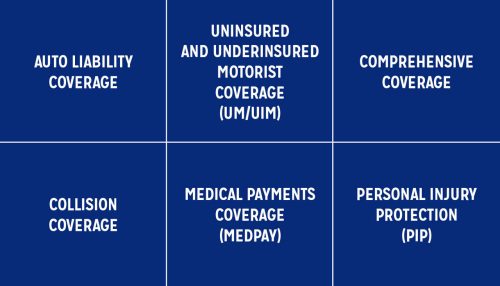
Start with the basics: bodily injury liability pays for others’ medical bills and legal fees if you’re at fault. It’s mandatory in almost every state and protects your savings from lawsuits.
Property damage liability covers the repair or replacement of things you damage — other cars, fences, storefronts. Skimping here can be expensive if a single crash totals someone else’s vehicle.
Collision coverage fixes your car after a crash, regardless of who caused it, while comprehensive coverage handles theft, vandalism and weather damage. If you lease or finance, lenders often require both. Insight: higher limits on liability are cheap compared with potential legal costs.

Protection for you and your passengers: MedPay and PIP
Medical payments (MedPay) picks up immediate medical bills for you and passengers no matter who’s at fault. It’s useful in states without broad no-fault rules.
Personal injury protection (PIP) goes further by covering lost wages and sometimes household services after an accident. In no-fault states PIP can be the first source of compensation, so higher PIP limits often pay off quickly. Key insight: if you rely on your income, PIP can prevent months of financial strain.
Optional coverages that often make sense
Gap insurance covers the difference between what your car is worth and what you still owe on the loan if it’s totaled. For drivers with small down payments or long loans, this stops you from owing on a car you can’t drive.
Rental reimbursement and roadside assistance keep your life moving while repairs happen. A few extra dollars a month prevents being stranded or paying out of pocket for a rental.
Brands like AutoGuard Insurance, DriveSafe Coverage and SecureRide Insurance market these add-ons heavily because they reduce customer frustration during claims. Tip: compare the add-on cost versus likely out-of-pocket expenses before you buy. Final insight: optional coverages are small insurance bets that often pay big in practice.
How premiums are calculated and practical ways to lower them
Insurers price risk using your driving record, car model, location and even your credit score in many places. Safer cars with advanced driver-assist tech tend to cost less to insure because they reduce claim frequency.
In 2025 telematics and usage-based programs are widespread: safe-driving data can produce substantial discounts for commuters. Combining policies under one carrier — for example pairing home and auto with providers like CoveragePlus Auto or TrustShield Motors — often unlocks multi-policy savings.
Raising your deductible lowers premiums but increases what you pay after a crash. For many drivers, a higher deductible plus an emergency fund is the cheapest long-term strategy. Practical insight: run quotes with different deductibles and ask about usage-based discounts before switching providers.
For specific right-sizing tips, review the right insurance tips collection and the Cover Nest resources page to compare options.
Filing a claim: step-by-step and real-world examples
Immediately after an accident, ensure safety and call emergency services if anyone is hurt. Then document everything: photos, witness names, and the other party’s insurance details.
File the claim promptly and keep copies of medical bills, repair estimates and the police report. If the car is totaled, insurers use market guides to determine the vehicle’s value — which can be lower than what you expect. Alex discovered this when his totaled car’s payout fell short of his loan balance; gap insurance would have covered the shortfall. Final insight: good documentation speeds approval and reduces disputes.
Choosing the right provider and policy for your situation
Not all insurers price or service customers the same. Some companies such as RoadWise Assurance, PrimeDrive Insurance and ShieldAuto Coverage emphasize accident forgiveness or telematics discounts, while others focus on low base rates.
Ask about claims satisfaction, average claim turnaround, and available discounts. If you drive for work or rideshare, verify whether your personal policy covers business use or if you need supplemental coverage.
Finally, balance price against coverage limits and exclusions; a cheap policy that leaves you underinsured isn’t a bargain. For a deeper dive into policy mechanics, visit the insurance policies explained guide and the cover nest homepage. Insight: the right carrier is the one that matches both your budget and your real-world risk.
Extra note on brand features and benefits
Many newer brands advertise perks like concierge claims and guaranteed repairs. Companies like EliteCar Protection and SureDrive Benefits often bundle these perks into premium tiers aimed at frequent drivers.
When comparing, list what matters most to you — fast repairs, rental reimbursement, lower deductibles — and score providers on those points. That way your choice aligns with day-to-day needs, not just the lowest monthly number. Final insight: perks matter when you’re in a claim, so prioritize how you’ll use the policy over small monthly savings.