
En bref — Health insurance protects against big medical bills; auto insurance covers liability and repairs; homeowners or renters policies safeguard property and belongings; life insurance secures your family’s future; disability insurance replaces income when you can’t work. Bundle smart, compare coverages, and check exclusions so you don’t pay for gaps you don’t notice.
Insurance Insights for everyday people: meet Sarah, a 34-year-old freelance designer who juggles clients, a leased car and a mortgage. She needed a practical safety net without overpaying, so she used tools like PolicyPro to compare quotes and CoverClear to decode policy fine print. Across a few afternoons she learned the trade-offs between low premiums and high deductibles, discovered how an umbrella policy layers over her home and auto, and spotted gaps in catastrophic coverage for floods in her area. This guide breaks down the main policy types — health, auto, home/renters, life and disability — and gives clear, real-world tips so you can build a sensible mix of protection for your situation. Expect short examples, a fictional case study that follows Sarah’s choices, and practical steps to avoid common traps like underinsuring liability or confusing riders with essential coverage. By the end you’ll know where to check limits, how deductible choices affect your monthly cash flow, and when an add-on like gap insurance or long-term care might actually be worth the price. Key takeaway: insurance is about managing risk, not eliminating it — the right balance keeps your finances intact without breaking the bank.
Health insurance explained: picking the right plan for routine care and surprises
Sarah’s first priority was health coverage that let her keep her favorite doctor. She compared an HMO, a PPO and an HDHP paired with a health savings account to weigh costs against flexibility. HMOs often cost less month-to-month but require referrals; PPOs give more provider choice at a higher premium; HDHPs lower premiums but raise your out-of-pocket risk until the deductible is met.
Think about your typical year: regular prescriptions, planned surgeries or frequent specialist visits. Those factors drive whether a lower premium but higher deductible plan actually ends up cheaper, or if a richer plan makes sense. Use a checklist — expected visits, meds, preferred providers — to make the comparison concrete.
Quick tip: track last year’s medical expenses to estimate what plan features matter most to your wallet.

Supplemental options and cost-sharing basics
Beyond major medical plans, Sarah considered critical illness and hospital indemnity policies to cover gaps that hit savings fast. Co-insurance and co-pays change the math: a plan with low premiums but 30% co-insurance can be painful during a serious illness.
Supplemental coverage can make sense if you lack an emergency cushion, but read exclusions carefully. Some plans cap payouts or exclude pre-existing conditions for a period, so check waiting periods and contestability rules.
Insight: combine expected cost forecasting with a clear emergency-fund policy to decide which supplements are worth buying.
Auto insurance essentials: liability, collision, comprehensive and smart add-ons
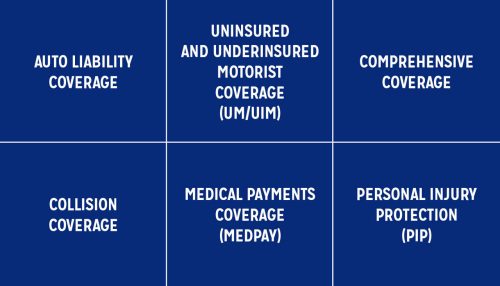
When Sarah leased her car she had to carry collision and comprehensive coverage. She then upgraded liability limits after realizing state minimums wouldn’t protect her assets if a serious accident occurred. Liability covers others’ injuries and property damage; collision pays for your vehicle after an accident; comprehensive covers theft, vandalism and weather damage.
Optional additions like rental reimbursement, roadside assistance, and gap insurance can save money and stress after a total loss. If you finance or lease, lenders often require certain coverages — so check your contract before removing protection to save on premiums.
Practical move: raise your deductible if you can handle small repairs yourself; that typically lowers your premium without changing coverage quality.
Uninsured motorists and personal injury protection
Sarah lives in a state where uninsured motorist coverage is optional but common. She added it because being hit by an uninsured driver could otherwise cost thousands. Personal injury protection (PIP) and MedPay cover medical bills regardless of fault in states with those options.
Final thought: uninsured motorist coverage is a low-cost hedge against someone else’s lack of insurance and a smart add-on in high-risk areas.
Homeowners and renters insurance: what’s covered and what isn’t
Owning or renting changes what you insure. Sarah bought a modest home and chose a policy that covered the dwelling, personal property and liability, plus additional living expenses if her house became uninhabitable. Standard policies usually exclude floods and earthquakes, so she bought separate flood coverage for her floodplain zone.
Dwelling coverage should approximate replacement cost, not market value. Personal property is often set at a percentage of dwelling coverage, but high-value items may need scheduled coverage.
Bottom-line insight: confirm replacement cost estimates annually — home improvements and inflation change the right coverage level.
Renters insurance basics and liability protection
Before buying her home, Sarah had renters insurance for a small monthly price that covered belongings and liability. Renters policies are inexpensive and often overlooked, but they protect against theft, fire and some water damage — not floods.
Liability limits of at least $300,000 are common advice for basic protection; an umbrella policy can layer extra limits at relatively low cost. If you rent, check whether your landlord’s policy covers anything of yours — it usually doesn’t.
Key insight: renters insurance is a cheap, high-impact policy for people starting out or living in shared housing.
Life insurance explained: choosing between term and permanent
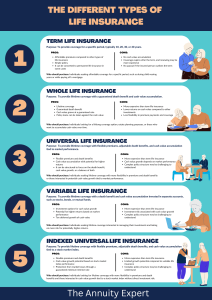
Sarah wanted to ensure her mortgage and her child’s future education would be covered if something happened to her partner. Term life offered affordable, temporary coverage matched to debts and timelines, while permanent policies build cash value but cost more. Term is often the right call for most families who need protection during working years.
Permanent options — whole, universal, variable — add complexity with cash-value growth, loans and investment risk. Those make sense in specific estate-planning scenarios or for wealthy households seeking tax-efficient wealth transfer.
Rule of thumb: consider 10x annual income or a needs-based calculation to set a starting point for coverage, then adjust for debts, dependents and future goals.
Guaranteed-issue policies and special cases
If health issues limit options, guaranteed-issue life insurance may offer a fallback, though it often includes waiting periods and limited payouts. For young families, locking in a policy while healthy tends to save a lot over a lifetime.
Closing insight: buy protection for dependents early if possible — premiums climb as health issues emerge.
Disability insurance and income protection: the overlooked essential
One afternoon Sarah ran numbers and realized a serious illness could wipe out her freelance income in months. She bought short-term coverage to cover immediate recovery and long-term disability to replace income if she couldn’t return to work for years. Aim for a policy that replaces about 60%–80% of gross income and lasts until retirement for permanent protection.
Employer plans may exist, but individual policies often have better portability and definitions of disability. Look at elimination periods and benefit durations closely; longer elimination periods lower premiums but require bigger savings cushions.
Insight: disability insurance is income insurance — treat it with the same priority as your mortgage and health coverage.
How policies interact and the claim process
When Sarah filed a small auto claim, she learned the importance of documenting damage, getting repair estimates, and communicating promptly with her insurer. Claims typically require photos, receipts and cooperation with adjusters. Keep records organized to speed payouts.
Umbrella policies like the one Sarah added provide extra liability protection above standard limits, while tools like RiskWise and ClaimSense can help you estimate exposure and track claims processes digitally.
Practical insight: good record-keeping and quick reporting reduce friction and increase your chance of a smooth claim outcome.
Shopping smart: comparison, bundling and avoiding traps
Sarah used a combination of price comparison tools and one-on-one conversations with agents to find balanced coverage. She tested platforms like PolicyPath to compare terms and InsureKnow articles to understand exclusions. Bundling home and auto saved money, but she made sure the bundled policy didn’t hide low liability limits.
Always compare more than price: read exclusions, check insurers’ financial strength, and review customer service ratings. If an agent pushes a product with “guaranteed approval” and vague terms, walk away — it’s a red flag for poor coverage or scams.
Key takeaway: balancing price and coverage quality beats chasing the cheapest premium.
Tools and resources Sarah used: Beginner’s guide to insurance, Insurance essentials for beginners, How to choose the right policy, Home and auto insurance basics, Understanding insurance policies explained.
Last practical checklist before you buy
Compare at least three quotes, confirm network providers for health plans, check deductible vs premium trade-offs, and verify exclusions for floods or earthquakes if you live in a risk zone. Use names like ProtectPlus, SureShield and SafeGuard Explained as mental models for assessing completeness: does the plan truly protect your assets, income and family needs?
Final insight: insurance is a living part of your finances — review annually or after big life events so coverage grows with you.