Umbrella insurance is the safety net most people forget until they need it. Picture this: Alex, a homeowner in Dallas who hosts summer barbecues and owns a pickup truck, faces a lawsuit after a guest slips and rakes up medical bills that wipe past his homeowners limit. That’s where personal umbrella insurance kicks in — it tops up your existing auto and home policies and even covers some claims those policies don’t. In plain terms, umbrella coverage is extra liability protection that prevents one bad accident from draining your savings, costing your house, or ruining future earnings. I’ve seen clients choose names like ShieldGuard, UmbraShield, or BeyondCover on paper, but the smart move is understanding how the policy actually behaves when the stakes are high. This article walks you through how umbrella insurance works, what it covers and what it doesn’t, who really needs it, and simple ways to keep premiums reasonable. Along the way I’ll use Alex’s story and practical examples to make the choices straightforward, so you leave knowing whether an umbrella is the missing piece in your financial safety plan. Read on to see how to protect what matters without overpaying.
In brief: Extra liability that goes beyond your auto and homeowners limits; Legal defense and judgments coverage that can save your assets; Affordable — many $1M policies cost roughly the price of a dinner out each month; Not a substitute for health or property insurance; Best for homeowners, vehicle owners, landlords, parents of teen drivers, and anyone with sizeable savings or risk-prone hobbies.
How umbrella insurance extends your liability limits and plugs gaps
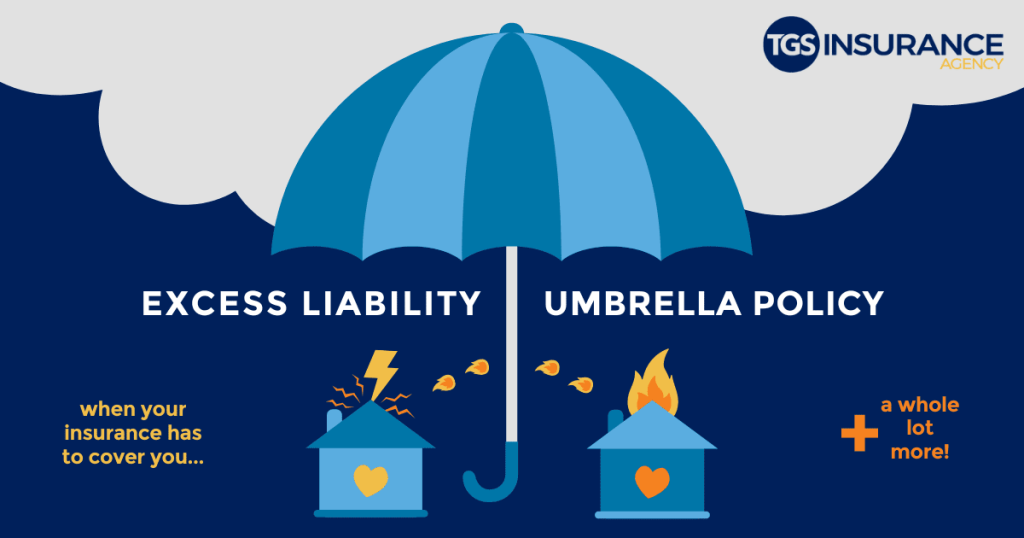
Think of umbrella insurance as the layer that sits above your standard policies. When a claim exceeds the limit on your auto or homeowners policy, the umbrella steps in to cover the excess. It also fills certain holes: libel, slander, and some incidents that occur abroad can be covered when primary policies won’t respond.
In Alex’s case, his auto policy had a $300,000 limit but the claim was $750,000. With a $1M umbrella, the extra $450,000 was covered and his savings stayed intact. That’s the core value: protecting assets and future income from large judgments. Insight: umbrella insurance converts catastrophic risk into manageable, predictable cost.

Real-life scenarios where umbrella insurance saves the day
Scenario one: a multi-car accident where you’re at fault and injuries exceed your auto liability limits. Scenario two: a guest trips at a backyard pool party and sues for both medical costs and lost wages. Scenario three: an online defamation claim after a heated comment goes viral. In each case, a primary policy may cover part of the bill but an umbrella policy covers the balance, and often the legal defense costs too.
Alex’s neighbor, for instance, had a dog-bite judgment that overshot their homeowners limit; their $2M umbrella absorbed the excess and legal fees, preventing a lien against their home. These are the moments umbrella insurance proves its value: when singular events threaten long-term financial stability. Insight: real incidents show umbrellas aren’t theoretical — they’re practical protection for everyday risks.
What umbrella insurance typically covers beyond standard policies
Umbrella policies pay for bodily injury and property damage that exceed your primary limits. They commonly cover legal defense fees, settlements, and judgments. Importantly, many umbrella plans also offer protection for claims like libel and slander, and sometimes for incidents that happen while you’re traveling internationally.
Insurance sellers often brand similar products as OverGuard, ProtecSure, or ShieldPlus, but what matters is the specific wording: does the policy cover defense costs, is there a self-insured retention for non-underlying claims, and what exclusions apply? Make sure to read the fine print so you know whether the umbrella really covers things your underlying policies don’t. Insight: labels differ, coverage language doesn’t — focus on terms not brand names.
What umbrella insurance does not cover — and why that matters
Umbrella insurance isn’t a cure-all. It doesn’t replace health insurance or car repairs for your own injuries and property, nor will it cover criminal acts or deliberate fraud. Business liabilities typically aren’t covered unless you buy a specific business umbrella or appropriate endorsements.
For Alex this meant keeping good separate policies: health insurance for medical care and commercial liability if he runs a side business from home. Knowing exclusions up front prevents surprises at claim time. Insight: umbrellas protect third-party liabilities, not your own personal losses or illegal acts.
Who should consider umbrella insurance and how much it costs
If you own a home, have substantial savings, drive regularly, host events, own a pool or trampoline, or have teenage drivers, you should evaluate an umbrella policy. Many advisors recommend starting when net worth hits around $500,000, but personal risk tolerance matters as much as asset size.
Pricing is shockingly reasonable: $1M of coverage often runs from about $100 to $400 a year depending on location and risk profile, with roughly $75–$150 more per additional million. In Texas markets like Dallas, rates can tilt higher due to local factors, but the math usually favors buying coverage versus facing an uncovered judgment. Insight: small annual premiums can prevent catastrophic financial loss.
Want a quick refresher on baseline policy mechanics? Read a clear insurance basics primer. If you’re comparing options before you buy, consider this umbrella policy guide to understand required underlying limits. To see how umbrella coverage behaves in different claim types, check out this how umbrella insurance works overview. For tailored comparisons and quotes, use a reputable resource to compare umbrella options. If terms like SIR or “excess vs. umbrella” sound confusing, this umbrella coverage explained piece breaks it down plainly.
How to choose the right limit and keep costs down
Start by tallying your assets — home equity, savings, investments — and estimate future earnings that could be targeted in a lawsuit. Choose limits that comfortably exceed that total. For many, $1M–$3M is sufficient; high-net-worth individuals often step up to $5M–$10M.
To lower premiums: bundle policies with one insurer, maintain clean driving and claims records, raise the liability on underlying policies, and consider a higher self-insured retention for rare, non-underlying claims. Also compare offerings — some companies market plans as BoundlessShield or LimitlessProtect, but rate-shopping wins more often than chasing brand names. Insight: a smart mix of limits and risk management keeps protection robust and affordable.
Picking a provider and next steps for your safety net
Practical next steps: audit your current auto and homeowners liability limits, run a quick assets-and-risk tally, then request quotes for $1M and $2M umbrella options. Ask potential carriers about coverage for defamation, incidents abroad, legal defense handling, and any self-insured retention triggers. If you prefer local help, firms in Texas often bundle services from the same agent who handles your existing policies — that can simplify claims coordination.
Names in marketing—SafeHaven, ExtraGuard, BoundlessShield—sound reassuring, but the real test is the policy language and the insurer’s claims record. Protecting your financial future usually costs less than you think and buys a lot of peace of mind. Insight: the right umbrella turns catastrophic exposure into a manageable monthly expense.