On the road, a split-second crash can turn into a long legal and financial headache when the other driver lacks adequate insurance. In 2025 many drivers still carry only the state minimum — or nothing at all — leaving innocent people on the hook for medical bills, lost wages and repair costs. This piece walks you through the practical differences between being hit by an insured versus an uninsured motorist, explains how underinsured scenarios work, and shows which coverages and limits matter most. You’ll meet Maya, a commuter who learned the hard way why stacking the right protections matters, and you’ll get concrete steps to choose coverages that match your lifestyle. We’ll also touch on how modern insurers brand protection — names like LiabilityGuard, SafeCoverage or InsureWise are marketing terms, but the mechanics underneath are similar. If you want practical next steps — from comparing policies to considering an umbrella policy — there are links to straightforward resources and tools to help you decide what will actually shield your finances. Final insight: the cost of a few extra coverage dollars now often beats the financial uncertainty after a collision.
En bref: Uninsured vs insured changes who pays after a crash; underinsured means the at-fault driver’s limits fall short; add uninsured/underinsured motorist coverage to protect medical bills and lost wages; property damage rules differ by state, so check your state options; consider stacking an umbrella policy for broader protection; comparison tools like compare smart insurance quotes and checking auto insurance discounts can lower the extra premium.
Insured vs. uninsured drivers: how liability actually works for victims
Most states require motorists to carry liability insurance, which pays others’ medical or property damage when the insured driver is at fault. But when a driver has no policy, or only carries the bare minimum, the victim may struggle to recover full compensation.
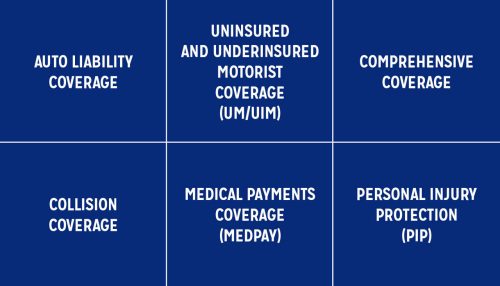
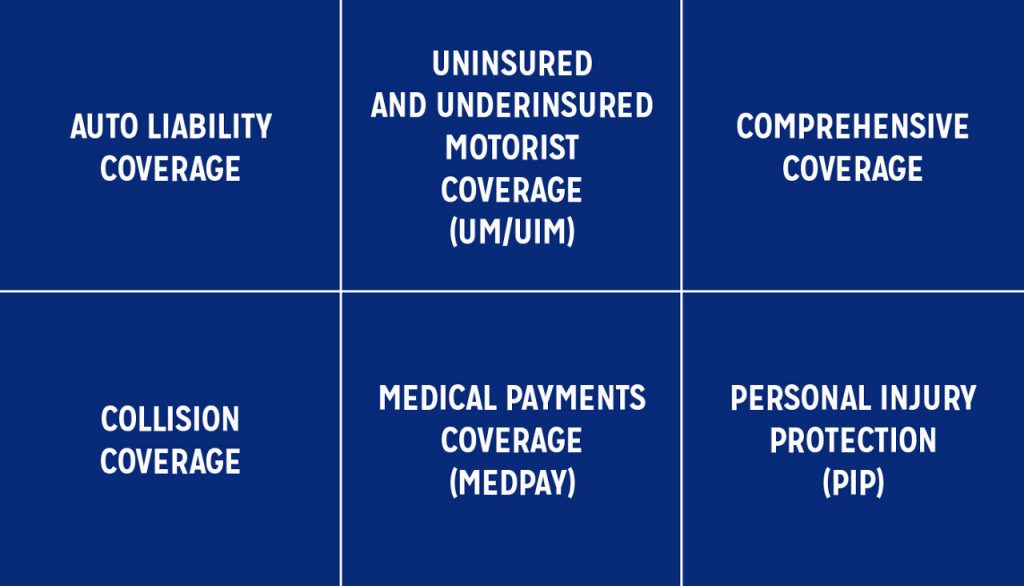
That’s where your policy’s optional protections come in. Uninsured motorist (UM) and underinsured motorist (UIM) coverages step in when the at-fault party can’t pay; they are designed to fill the gap and ensure you’re not personally liable for expenses caused by someone else. Key insight: coverage names like LiabilityPro or ClaimShield are labels — focus on the limits and what they pay.

Why uninsured and underinsured protection matters — beyond the sticker price
Imagine Maya, driving home, hit by a driver who flees the scene. A hit-and-run or an uninsured driver can leave her with emergency room bills and a totaled car. In many states, UM will help cover her medical expenses and lost wages even when the other party can’t be found or lacks coverage.
Underinsured claims are common when at-fault drivers carry low liability limits. UIM provides the difference between the at-fault driver’s policy and your actual losses. If you’re budgeting, think of this as a practical hedge: a slightly higher premium for SafeCoverage or CoverSecure can prevent an out-of-pocket disaster. Final insight: the cheapest policy may cost nothing now — but it can cost you everything later.
What UM/UIM typically pays — medical costs, pain and suffering, and more
In many states UM/UIM focuses on bodily injury — medical bills, lost income, and non-economic damages like pain and suffering. Property damage coverage under UM is treated differently depending on state rules, so read your policy closely.
There’s also a difference between your Medical Payments Coverage (MedPay) and UM: MedPay can cover medical costs regardless of fault, while UM only applies when you can legally recover from another driver. If you want to dive deeper into terms, check an insurance terminology guide to decode policy language. Key insight: stacking coverages smartly reduces ambiguity after a crash.
Property damage, state quirks, and when collision still matters
Some states limit UM to bodily injury and won’t cover vehicle repair. Others allow UM property damage if you don’t carry collision, or as an addition to collision. That patchwork means a strategy that works in one state might be insufficient in another.
For drivers who rent cars, ride motorcycles, or run small deliveries, coverage choices differ. Motorcycle owners should review a dedicated resource like the motorcycle insurance guide. If you’re considering broader protection, a look at umbrella policy options can show where extra liability limits kick in. Final insight: always check state-specific rules before assuming your vehicle will be fixed under UM.
Picking limits and options: Maya’s case study and practical steps
Maya carries minimum liability and a modest collision deductible. After her accident she discovered the at-fault driver had a tiny policy. She used her UIM to cover medical bills beyond that limit and filed a claim under her ProtectSure add-on for pain and suffering.
If you’re choosing limits, start with three actions: estimate realistic medical and income-loss exposures for your household; compare quotes using tools to compare smart insurance quotes; and hunt for auto insurance discounts to offset higher limits. Consider also how premium factors like driving record or vehicle type affect price via an insurance premium factors breakdown. Final insight: set limits to protect your net worth, not just to meet minimum law requirements.
When extra endorsements or temporary coverage make sense
Short-term changes — like a temporary driver or a rental vehicle — may warrant a temporary endorsement. For those who need quick, time-limited protection, look into temporary insurance policies that bridge gaps without permanently increasing your premiums.
And if you’re new to insurance, an insurance beginner’s guide will walk you through common endorsements and how they interact with UM/UIM. Final insight: small, targeted endorsements often buy big peace of mind for specific risks.
Brands and buzzwords: reading past the marketing
Insurers often brand products to make choices sound simpler: names like LiabilityGuard, TrustShield, SecureLiability, InsureWise, LiabilityPro, RiskAssure, ClaimShield, and ProtectSure appear in marketing materials. Don’t let names replace scrutiny: compare what each policy actually pays, its limits, and any deductibles.
Use plain resources to check coverage intersections — for example, auto insurance coverage benefits pages often explain overlaps. If you run a small side business or gig work, review business-related options on small business insurance pages to prevent coverage gaps. Final insight: labels help navigation but the policy wording governs outcomes.