
Riding a motorcycle is freedom and logistics: the wind in your face, weekend trips, and the constant calculation of what can go wrong. Across winding backroads and city commutes, riders face theft, heavy crashes, unpredictable weather and other drivers who may not carry enough insurance. Take Alex, a weekend rider who swaps between a Ducati sportbike and a classic Harley Davidson cruiser; after a minor tip‑over on gravel, Alex learned that the cheapest policy didn’t cover the aftermarket exhaust or the tow bill. This piece breaks down the practical side of coverage — what’s required by law, what actually pays after a crash, and how to protect custom parts and medical bills without overpaying.
Key ideas are simple: start with strong liability limits, add collision and comprehensive when the bike is valuable or financed, and never underestimate UM/UIM or medical coverage if you ride in areas with many uninsured drivers. Expect smarter shopping in 2025: average annual premiums hover near $399, but your bike type — from a commuter Honda to an adventure BMW Motorrad — and your riding history move the needle dramatically.
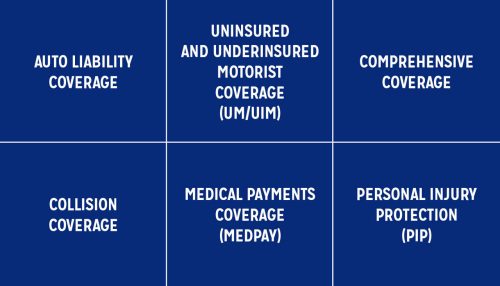
En bref — quick take: Liability covers others’ injuries and property; carry more than state minimum if you can. Collision pays to repair your bike after a crash; essential for new or financed bikes. Comprehensive handles theft, fire, weather and animal strikes. UM/UIM protects you from uninsured or underinsured drivers. MedPay/PIP help with immediate medical bills. Average full coverage runs about $100–$150/month for a mid‑range ride, while basic liability can be under $20/month in low‑cost states.
Motorcycle insurance basics: liability coverage riders must know
Liability insurance is the legal backbone for almost every rider. It pays for the bodily injury and property damage you cause to others when you’re at fault, and most states require proof to register your motorcycle.
States express limits as three numbers — for example, 25/50/25 — meaning per‑person bodily injury, per‑accident bodily injury and property damage. Some states mandate as little as 10/20/10, while others push higher. Florida and a few jurisdictions have special rules that can leave riders exposed without proper financial responsibility after a crash.
Why raise limits? Medical bills and lawsuits can outpace minimums quickly. If damages exceed your policy, claimants can seek the remainder from your personal assets. For many riders, moving to 100/300/50 or higher is a small monthly increase for much greater protection — an insight that saves money and stress over time.
Collision and comprehensive: when each pays and how to choose deductibles
Collision coverage handles repairs when your bike hits another vehicle, a guardrail, or the pavement — and it even covers single‑vehicle mishaps like tip‑overs. It pays regardless of fault, up to the motorcycle’s actual cash value minus your deductible.
Pick your deductible carefully: common choices are $250, $500 or $1,000. A higher deductible lowers your premium but means more out‑of‑pocket after a crash. If you ride a new Kawasaki sportbike or have a financed Triumph, collision is often required by lenders and worth the price of peace of mind.
Comprehensive coverage protects against non‑collision losses: theft, vandalism, hail, fire and animal strikes. For riders in storm zones or those who park outdoors, comprehensive can be the difference between replacing a bike and absorbing a total loss.
Accessory and custom parts: insure what makes your bike yours
Many carriers include a small default limit for accessories, but if you’ve invested in aftermarket parts, you’ll want separate custom parts and equipment coverage. That covers paint jobs, exhausts, saddlebags, GPS units and specialty electronics.
Document every upgrade with receipts and photos. Some insurers will insure accessories up to $30,000 if you list items up front; without documentation, you may get only a token amount when filing a claim. This small administrative step saves headaches later — protect the value you added.
Final insight: if your bike’s character comes from upgrades, those upgrades should be explicitly on the policy to avoid surprises.
UM/UIM, MedPay and PIP: protecting yourself when others can’t pay
Roughly one in eight drivers can be uninsured on U.S. roads, and many insured drivers carry minimal limits. Uninsured/Underinsured Motorist (UM/UIM) coverage steps in when another driver can’t cover your bills or repairs.
UM/UIM pays for medical expenses and bike repairs after a crash caused by someone with insufficient insurance. Some states require it; others make it optional. For riders like Alex, who once returned from a group ride to an uninsured hit‑and‑run, UM/UIM was a policy saver. The added premium is modest compared with the risk of a large bill.
MedPay and PIP handle medical bills quickly. Where PIP is unavailable for motorcycles, MedPay fills the gap, covering ambulance rides, ER fees and immediate care without waiting on liability outcomes. For riders with high health deductibles, a generous MedPay limit eases short‑term cash flow after an accident.
Key insight: UM/UIM plus MedPay is a compact, cost‑effective safety net when health coverage and other drivers fall short.
How different riders should stack coverages in 2025
Commuter and budget riders
If your daily ride is an older Honda or Suzuki commuter, start with solid liability and consider a modest MedPay limit. Skip collision if replacing the bike yourself is affordable, but keep roadside assistance if you rely on the bike for work.
Practical tip: a locked garage or alarm can lower premiums and is often cheaper than collision for low‑value bikes. Final thought: prioritize steady protection over flashy add‑ons.
New sportbikes and financed machines
For new or financed bikes — think Ducati or high‑spec Kawasaki models — carry liability, collision and comprehensive, and increase liability limits to at least 100/300/100 if your lender requires it. Add accessory coverage to protect aftermarket parts like exhausts and electronics.
Because sportbikes can be costly to replace, collision and comprehensive are investments in preserving value. Insight: finance terms often mandate coverage levels; shop for insurers that offer agreed‑value or gap coverage to avoid being underpaid after a total loss.
Cruiser, classic and custom builds
Cruisers and vintage bikes — whether a restored Indian Motorcycle or a custom Harley Davidson — need accessory coverage and agreed‑value options to reflect sentimental and aftermarket value. Theft and cosmetic damage are big concerns.
Document builds and consider classic bike insurers who specialize in agreed‑value policies. Final insight: agreed‑value beats actual cash value for uniquely customized machines.
Adventure and touring riders
Adventure riders on BMW Motorrad or Aprilia rigs should add roadside assistance, higher MedPay or PIP, and robust UM/UIM — remote breakdowns and long trips increase exposure. Accessory coverage must match racks, luggage and communication systems’ value.
Consider policies that include international or cross‑border options if you tour beyond state lines. Final insight: the farther you roam, the more your policy should act like a travel plan.
Track day and aggressive riding
Many standard policies exclude track use. If you take your bike to closed courses, check whether you need a separate track‑day policy. Higher limits and specific event coverage protect you from the unique risks of high‑speed incidents.
Before hitting the circuit, verify exclusions in writing — a quick call to your insurer prevents an expensive surprise. Final insight: speed demands special cover, not just higher limits.
Multi‑bike households
Owners of several bikes can often bundle for discounts. Clarify how accessory limits apply across machines and whether each bike needs its own agreed‑value endorsement. Multi‑bike policies can reduce paperwork if tailored thoughtfully.
Ask insurers about multi‑bike pricing tiers and whether storage and usage distinctions affect premiums. Final insight: bundling helps, but details matter per motorcycle.
Cost levers and shopping tips to lower premiums without losing protection
Rates depend on age, location, riding record, credit, and the bike itself. For 2025, national averages put standard policies around $399/year, while full coverage often lands near $100–$150/month for mid‑range machines. A commuter liability policy can be under $20/month in low‑cost states.
Discounts exist for bundling with auto or homeowners, completing certified rider courses, and secure storage. Raising your deductible, adjusting accessory limits, and comparing quotes across specialty insurers for brands like Triumph or BMW Motorrad can shave premiums substantially. Final insight: small sacrifices in deductible or voluntary coverage can yield big savings when balanced against real risk.
For state‑specific registration and insurance requirements, check your local DMV website or resources such as federal guidance on vehicle registration. Final thought: understanding your state’s rules helps you buy exactly what you need — no more, no less.