Running a small business means juggling customers, cash flow and the thousand little risks that can stop everything overnight. Meet Emma, founder of GreenPatch Landscaping, a growing local crew with trucks, expensive gear and three full-time employees. When a storm smashed a trailer last year and a client slipped on a wet patio, Emma realized how quickly revenue, reputation and sleep can disappear. This guide breaks down the insurance choices that actually matter for owners like her: which coverages form the foundation, which add-ons are worth the cost, and how to mix and match policies so a single accident doesn’t become a business-killer. You’ll get real-world examples from Emma’s decisions, concrete ways to lower premiums, and pointers on picking the right partner—whether you prefer a digital-first carrier or a seasoned independent agent. By the end you’ll know how to protect physical assets, people and data with practical, affordable solutions and how to build a policy that grows with your company.
In brief — what to remember: Business Owner’s Policy (BOP) for basics; Commercial auto if vehicles are used; Workers’ compensation for employees; Cyber liability when you hold customer data; Umbrella insurance for catastrophic gaps; compare quotes, review annually, and work with a trusted agent to customize coverage.
What is small business insurance and why it matters for your company
Small business insurance bundles the protections that keep a company running after events like theft, fire, lawsuits or cyberattacks. For Emma, a single major claim would wipe out months of profit and put seasonal payroll at risk.
Insurance isn’t one-size-fits-all: what a freelance designer needs differs from what a contractor does. The goal is to identify likely exposures and close the financial gaps so recovery is fast and predictable. Protecting your cash flow is as important as protecting your tools.
Insight: Treat insurance as an operational tool, not just a checkbox—pick coverages that match daily activities and revenue streams.
Foundational policies every small business should consider
Most firms start with a few cornerstones. A Business Owner’s Policy (BOP) often combines general liability and commercial property into a cost-effective package that covers third-party injuries and damage to buildings or equipment. For Emma, the BOP covered the client’s patio claim and repairs to her shop roof after hail.
Business interruption insurance then steps in to replace income while you rebuild, which is critical if your business depends on seasonal work or storefront foot traffic. To understand how to value and protect equipment and inventory, consult guides about protecting business assets like this one: protecting business assets. Start with the basics, then add what your risks demand.
Insight: Bundling core coverages into a BOP often saves money and reduces gaps—especially for small teams.

Specialized coverages: when you need more than the basics
As Emma’s business grew she had to add tailored policies. Workers’ compensation protected her crew when a team member sprained an ankle on-site, covering medical bills and part of lost wages. If you have employees, this is mandatory in most states and essential to avoid crippling lawsuits.
Commercial auto covers trucks and vans used for work; personal policies usually won’t. For vehicle-focused operations, read more about commercial auto benefits here: commercial auto coverage. When a truck is your revenue engine, vehicle insurance is non-negotiable.
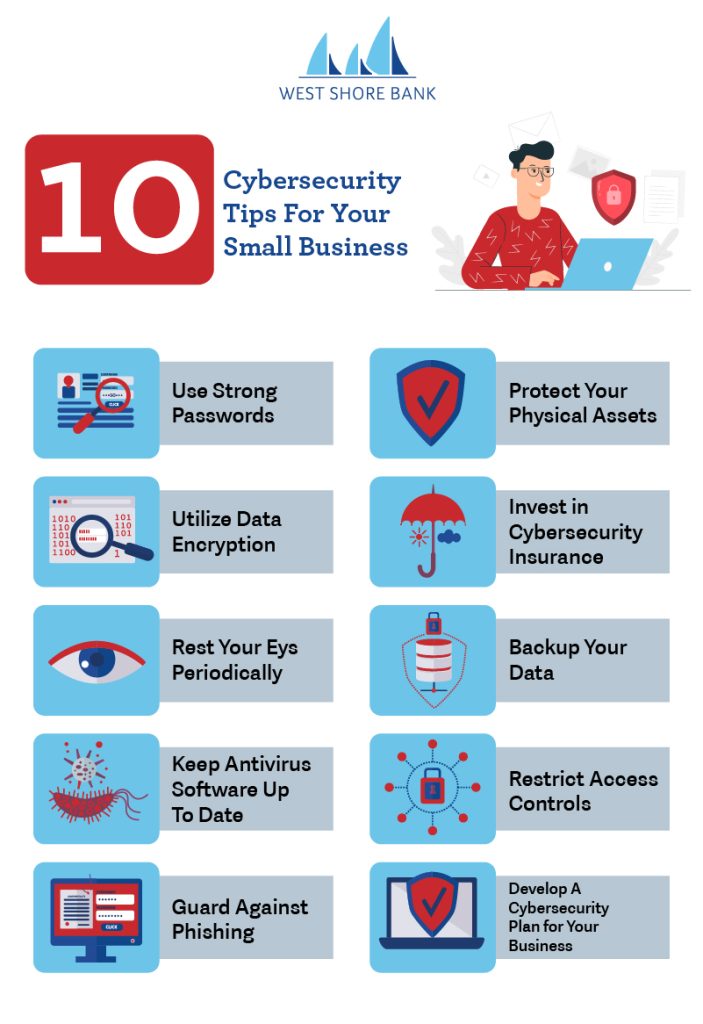
Cyber liability is increasingly crucial in 2025 as small firms face more data breaches and ransomware attempts. Emma stores client invoices and blueprints digitally, so she bought cyber coverage to handle incident response, notification and legal costs. Learn why cyber protection matters at cyber insurance for digital threats. Cyber policies can be lifesavers when a breach threatens client trust.
Employment Practices Liability (EPLI) and crime insurance cover HR disputes and financial fraud respectively—policies that look expensive until they aren’t. For catastrophic shortfalls, an umbrella policy extends existing liability limits and can prevent an otherwise bankrupting judgment. Specialized coverage closes the blind spots basic policies leave exposed.
Insight: Match specialized coverages to concrete exposures—vehicles, staff, data—and avoid buying policies « just in case » without a plan for limits and deductibles.
How premiums are set and smart ways to lower costs
Premiums hinge on familiar factors: location, payroll, claims history, business size and industry risk. For a contractor like Emma, having trucks and heavy equipment raises premiums, while a clean claims record lowers them. A detailed breakdown of rating drivers can help you budget: insurance premium factors.
Simple controls—formal safety training, written procedures, secure payment systems and inventory tagging—can reduce risk and buy discounts. Also, annual reviews and renewal tactics keep coverages aligned with growth; useful renewal tips are available at insurance renewal tips. Proactive risk management lowers premiums and keeps your coverage meaningful.
Insight: Invest in prevention—safer operations usually mean lower insurance costs and fewer interruptions.
Picking a provider and working with agents or digital platforms
Deciding between a traditional carrier, a digital insurer, or an independent agent depends on complexity and preference. Emma started with a local independent agent who helped bundle her BOP and workers’ comp, then added a digital policy for quick certificate issues during busy seasons. If you want help finding the right professional, see advice on choosing agents at how to choose insurance agents.
There are many vendor types in 2025: legacy names with deep underwriting experience, and nimble digital players offering fast quotes. Examples of product names you might see include SafeGuard Insurance, SmallBiz Protect, ShieldSure, BizSecure Coverage and TrustGuard Policies. For startups that prefer mobile-first service, carriers like SecureStart Insurance or ShieldWise Insurance offer streamlined sign-up processes. Pick a partner who understands your sector and offers clear claims support.
Insight: Complex exposures benefit from a human agent; routine, low-complexity needs work well with digital platforms.
Building a tailored policy: endorsements, bundles and periodic reviews
Beyond base policies, endorsements let you tweak coverage—adding inland marine for tools, or a cyber add-on for payment processing. Small firms and freelancers have different needs; solo consultants can learn how coverage differs at insurance for freelancers. Emma added an equipment floater for her mowers and a hired/non-owned auto endorsement when she subcontracted a driver.
Review policies annually and after major changes like adding staff, new vehicles or higher revenue. For flexibility options, see this primer on endorsements: customizing insurance endorsements. Remember names like RiskShield Solutions, Guardian Business Insurance and ClearCover Policies when you shop—compare not just price but claims service and exclusions. Good policies evolve with your business.
Insight: Use endorsements smartly to fill gaps and schedule an insurance check-up whenever your operations change.