Cyber insurance: protecting against digital threats has moved from a niche add-on to a core risk-management tool for organizations of every size. With businesses and individuals increasingly dependent on cloud services, remote work tools, and connected devices, the attack surface has exploded and so have the costs when things go wrong. Ransomware, phishing, supply-chain exploits and large-scale data breaches can trigger legal fees, forensic investigations, regulatory fines and customer-notification costs that quickly dwarf routine operating budgets. In response, modern solutions such as CyberGuard, DigitalShield and CyberSecure Solutions pair insurance payouts with proactive services — threat monitoring, incident response and remediation — so companies can recover faster. For a small company like the fictional Brightfield Bakery, a single successful attack meant days of downtime, lost perishable inventory and a spiralling PR problem; the insurer’s incident team helped restore systems and manage communications. Today, cyber risk platforms also use AI for continuous risk scoring and underwriters increasingly expect firms to demonstrate controls like multi-factor authentication and robust backups before offering broad coverage. The bottom line: in a landscape where cybercrime damages were projected in the trillions and average breach costs sit in the millions, cyber insurance is both a financial backstop and a catalyst for better security.
En bref: financial protection for breaches; incident response and PR support; continuous monitoring and AI-driven risk scoring; policy customization to match your industry; examples show SMBs need both coverage and controls.
How cyber insurance protects businesses against digital threats in 2025
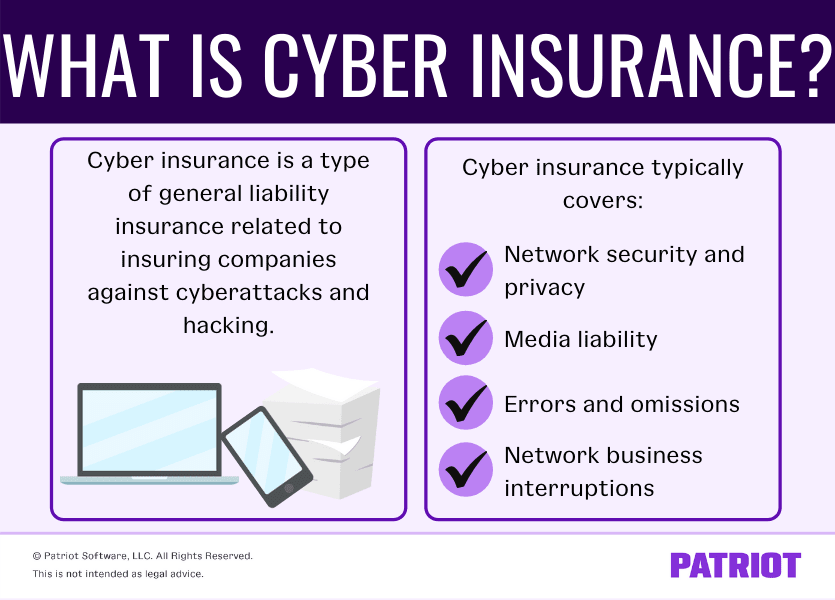
Cyber insurance, often called cyber liability, covers both first-party losses (system recovery, ransom negotiation, business interruption) and third-party liabilities (customer lawsuits, regulatory fines). Policies today can include pre-breach services such as vulnerability scans and tabletop exercises that reduce both risk and premiums.
Insurers vary widely in what they require and cover, so it helps to understand how your company’s assets map to insurance language; our primer on business insurance assets explains how digital assets are valued for underwriting. NetProtect Insurance and ByteShield style offerings illustrate the market shift toward bundling coverage with defensive services. Cyber insurance shifts immediate financial burden away from the firm so operations can resume more quickly.

Brightfield Bakery: a small business case study
Brightfield was a neighborhood bakery with online orders and a simple point-of-sale system. After a phishing click compromised credentials, the POS was locked by ransomware and orders stopped. The immediate costs were frantic: forensic investigation, restore from backups, customer notifications and reputation repair.
The bakery’s cyber policy — purchased after a risk assessment — paid for expert response and PR help; it also covered lost income during downtime. That intervention prevented permanent closure, a fate that statistics show can happen to many SMBs after a major breach. Real-world preparedness plus the right policy saved Brightfield from a business-ending event.
Core features of modern cyber risk insurance platforms
Leading platforms combine coverage with technology: automated risk assessments, AI-driven underwriting, continuous monitoring and 24/7 incident response. These services help companies spot weak links before attackers do, and they give underwriters quantifiable signals when pricing policies.
Look for platforms that offer policy tailoring by industry and size — for example, healthcare clients need breach notification and regulatory defense, while retailers need POS protection. For guidance on policy design, see a practical piece about customizing coverage. Platforms that merge insurance with active defense reduce both incident impact and total cost of risk.
AI underwriting, blockchain claims and SMB-focused solutions
Underwriting increasingly uses machine learning to price risk in near real-time, and blockchain pilots aim to speed claims while improving auditability. Meanwhile, vendors are launching lower-cost products geared to SMBs to close the protection gap.
Options like CyberSafe Coverage and DataDefender Insurance show how vendors can package monitoring, response retainers and education into accessible plans for smaller firms. Better technology plus simpler policies make cyber insurance more attainable for smaller organizations.
How to negotiate better cyber insurance terms using assessments and external expertise
Underwriters reward demonstrable controls. A quantitative risk assessment that maps assets, threat vectors and mitigations gives you leverage during negotiations. Implementing controls such as strong backups, multi-factor authentication and Zero Trust segmentation translates into lower premiums or broader limits.
External cybersecurity firms and consultants can formalize incident response plans and run tabletop exercises that insurers value. For practical steps on aligning coverage with your needs, check this guide to insurance for modern small businesses. Partnering with a trusted advisor like Cyber Defense Group often shortens the path to favorable terms. Investing in measurable controls is the most effective way to improve policy terms.
Common exclusions and how to avoid surprises
Policies often exclude losses from known, unpatched vulnerabilities, intentional misconduct, or nation-state attacks. They may also limit coverage if basic controls like encryption or MFA are absent. Reading policy language carefully is essential.
Proactively fixing gaps flagged by risk assessments and documenting governance can convert exclusions into covered scenarios. Understanding and addressing common exclusions reduces the risk of denied claims.
Choosing the right cyber insurance platform and practical policy optimizations
When comparing providers, evaluate scope of coverage, incident response capabilities, ease of integration with existing security stacks and vendor reputation. Prioritize partners who provide both financial indemnity and operational support during incidents.
Practical optimizations include regular backups tested for recovery, adopting MFA, maintaining an updated inventory of digital assets and keeping a current incident response plan. Tools named like TechShield Coverage and SecureNet Insurance are examples of market offerings that blend tech and insurance. Pairing operational readiness with the right policy ensures faster recovery and stronger long-term resilience.
Action checklist to improve readiness and insurance outcomes
Start with an asset inventory and a quantitative risk assessment, then prioritize fixes that insurers value: MFA, encrypted data at rest, segmented networks and tested backups. Run annual tabletop exercises and keep documentation ready for underwriting reviews.
Consider strategic partnerships for continuous monitoring and incident response retainers; this combination of controls and coverages is increasingly expected by insurers. Taking these concrete steps will materially improve both security posture and the quality of insurance available.