In 2025 the sticker shock at renewal time is familiar: higher repair costs, pricier parts and stubborn inflation nudge many drivers to hunt for savings without weakening their protection. Meet Maya, a mid-thirties freelancer who turned a messy renewal into a tidy yearly win by stacking discounts and trimming what she didn’t need. She started by asking her insurer for a full discount review, paired her renter’s policy with her auto plan, enrolled in a usage-based program for her low-mileage work-from-home schedule and dropped collision on an older commuter car. The result: a noticeably lower premium and the mental comfort of keeping robust liability limits. This article walks through the most reliable ways to save on auto insurance — from the largest bundling bargains to modest tricks like paperless billing — and shows how to combine them smartly. Along the way you’ll see real trade-offs, like when dropping comprehensive makes sense and when telematics can cut more than it costs. Expect practical examples, quick action items and links to deeper how-tos so you can replicate Maya’s approach with a personal checklist tailored to your vehicle, driving habits and financial priorities. The insight: small, repeatable moves add up — and a focused policy review often reveals savings you didn’t know were hiding in plain sight.
En bref — quick wins to check today: Bundle your auto with home or renters; Enroll in telematics for a potential mileage-based break; Claim good-driver and good-student credits if eligible; Prune collision/comprehensive on low-value cars; Pay in full or use EFT/paperless options for modest extra cuts. These items are your fastest route to PremiumCut without sacrificing core protection.
Top auto insurance discounts and how much they typically save
Not all discounts are created equal. The biggest single lever for many drivers is bundling: combining auto with a homeowners, renters or other policy usually delivers the largest percentage off your auto premium. In practice you can see anything from a low single-digit reduction up to the mid-20s depending on the company and products bundled.
For a practical breakdown of how different policies interact and what bundling unlocks, consult resources on home insurance protection and consider pairing them with your auto plan to chase that stacking effect. Insurers also reward multi-car households, safety features like airbags and anti-theft devices, and accident-free histories — each discount can shave a sliver off your bill and add up when combined. Bundling tends to be the largest and most consistent saver, so it’s often the first place to look.
Insight: start with bundling and good-driver credits — those are the highest-return, lowest-effort moves you can make.
How discounts stack (and when they don’t)
Stacking discounts can be powerful but insurers sometimes cap how many reductions apply simultaneously. Maya discovered that while her Multi-Policy and Good Driver discounts both reduced her premium, the insurer applied limits on cumulative savings. The right approach is to prioritize discounts that reduce your base rate rather than one-off credits that only affect a small portion of the bill.
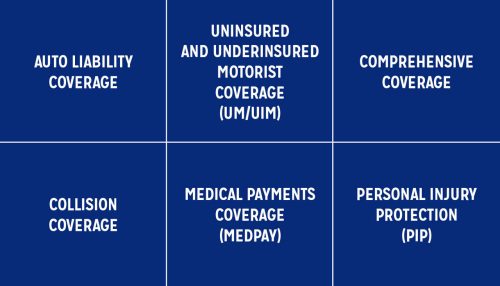
For hands-on guidance about reshaping coverage and keeping necessary protections, read about customizing insurance coverage. Also check your deductible math: on older vehicles, dropping collision or comprehensive can be smarter than clinging to a policy that pays less than the premiums you’ll spend. In Maya’s case she removed collision on a 12-year-old sedan and redirected the savings toward higher liability limits — a net protection improvement for the same budget.
Insight: stacking works best when you focus on discounts that lower the underlying rate and avoid paying for redundant physical-damage cover on low-value cars.
Usage-based insurance and telematics: how to decide
Usage-based programs (telematics) can be a game-changer if you’re a careful, low-mileage driver. Many programs give an initial enrollment discount, then adjust your renewal based on actual driving data. Typical rewards range from modest percentages for enrollment to much larger cuts — sometimes up to the high tens — for excellent driving behavior.
Before signing up, weigh privacy and upside: telematics may not apply to every part of your policy and insurers can raise rates if the driving score is poor. If you’re curious about basics and whether UBI fits your profile, check the insurance beginner’s guide for plain-language explanations. Programs marketed under names like AutoSave, DriveDiscount or SafeDrive Deals often offer trial discounts, and best-practice is to review sample scoring metrics so you know which behaviors matter most.
Insight: telematics rewards predictability — if you drive little and drive well, the upside usually outweighs the inconvenience.
Practical steps to claim every discount (the checklist Maya used)
Start with a documentation sweep: proof of anti-theft devices, certificates for defensive driving courses, school transcripts for student discounts, and VIN etching receipts. Then ask your agent about automatic reductions like Pay In Full, EFT and Paperless — these small procedural choices commonly yield a few percent off your premium. If you’re shopping, get online quotes and ask about any online-quote promotions during sign-up.
For deeper reading on how premiums are built and what factors tilt your rate, see this primer on insurance premium factors. Also consider alternative bundling strategies: if you don’t own a home, bundling with renters or umbrella policies can still deliver PolicyPerks and CoverageSaver benefits; read about renters options at renters insurance coverage. Finally, consult targeted advice on how to pick the right features by visiting right insurance tips.
Insight: documentation and a quick questions list for your agent unlock discounts almost every time — be prepared and ask explicitly for each potential reduction.
Tactics beyond discounts: pruning and protecting your wallet
Trimming unnecessary coverage is as potent as adding discounts. If your car’s market value is low, continuing collision or comprehensive insurance can be a money-losing proposition. Maya compared the vehicle value to the annual premium plus deductible and realized self-insuring made more sense for her oldest car. She kept strong liability limits and shifted savings into an umbrella policy to protect assets in a worst-case scenario.
For a step-by-step on what to drop and when, the article on auto insurance coverage benefits helps clarify trade-offs between protection and cost. When life changes — marriage, job shift, fewer commutes — update your insurer promptly; those events often unlock immediate rate improvements. Product names like AutoSaver Pro, CarShield Savings and SmartRide Discounts appear in marketing, but the decision should hinge on transparent savings and documented exclusions.
Insight: pruning plus strategic reinforcement (liability, umbrella) can lower premiums while preserving meaningful financial protection.