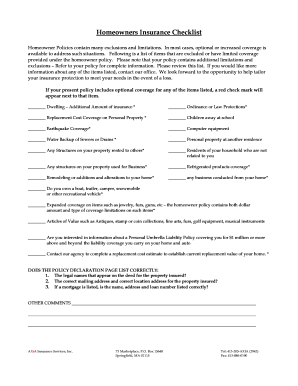
Homeowners insurance checklist: coverage you may need — Your house is more than a mortgage: it’s a shelter, a storage of memories, and in many cases your biggest financial asset. This guide walks you through the practical decisions every homeowner should face: estimating the cost to rebuild, choosing between replacement cost and actual cash value, deciding whether to add extra protection for jewelry, firearms, or collectibles, and understanding when location-specific coverages like flood or windstorm insurance are essential. Along the way you’ll see how common discounts (alarm systems, bundled policies) and deductible choices change your premium, and how personal liability and umbrella policies plug gaps many people miss. We follow Maya, a homeowner who renovated her kitchen and discovered her policy didn’t cover the new finishes to full replacement value; her experience shows why a yearly review matters. Practical shopping tips and credible resources are included so you can compare firms such as Allstate, State Farm, Geico, Progressive, Nationwide, Farmers Insurance, Liberty Mutual, USAA, Travelers, and American Family Insurance without getting lost in jargon.
En bref — Key takeaways
Estimate rebuild cost: insure for the amount it would take to rebuild your home, not the market value, to avoid an underinsured claim.
Choose coverage type: prefer replacement cost for major structures and high-value personal items when possible.
Check location risks: add flood or windstorm insurance if you live in a high-risk zone; standard policies often exclude floods.
Boost liability: consider an umbrella policy when you have assets to protect or higher exposure from visitors or teens driving.
Shop smart: get multiple quotes, ask about discounts for alarms or bundling, and verify a company’s license and complaint record before switching.
How much coverage do I need for my house and personal property?
Start by estimating the replacement cost to rebuild your home from the foundation up, including current construction materials and local labor costs. Many homeowners underestimate this number — upgrades, permits, and demolition fees add up quickly.
Maya found that her recent kitchen remodel added tens of thousands to her rebuild cost, which her old policy didn’t reflect. If you rely on actual cash value, depreciation will reduce payouts for older items; choosing replacement cost coverage avoids that pitfall. Review your policy annually and after renovations to keep limits aligned with reality — that’s the fastest way to avoid surprise shortfalls at claim time.
Personal property: what to list, schedule or add endorsements for
Personal property includes furniture, clothes, electronics and smaller valuables; standard limits may not cover high-ticket items. For things like expensive jewelry, firearms, or collectibles, you may need a scheduled endorsement or separate coverage to ensure full reimbursement.
Insurance companies such as Liberty Mutual and Allstate offer riders for specific items, but the cost and terms vary. Create an inventory with photos and receipts, and consider appraisals for high-value pieces — documenting now makes claims smoother later.
Wrapping up: a good inventory and the right endorsements remove uncertainty when something happens.
Perils, named-peril vs all-risk policies and location-specific coverages
Policies either list covered events (named perils) or cover everything not explicitly excluded (all-risk). All-risk policies generally offer broader protection but check exclusions carefully — many still omit flood or earthquake damage.
If you live near a coast or in a hurricane-prone area, you may need separate windstorm or flood insurance, since standard homeowners policies often exclude those. Federal or private flood policies fill that gap; verify elevation and flood zone status before assuming coverage.
Insight: understanding which perils are covered determines if you need supplemental policies or endorsements.
Liability coverage and the role of umbrella policies
Personal liability covers injuries and property damage you cause, and it pays legal expenses if you’re sued. Typical limits may be inadequate if you host gatherings, have a pool, or employ domestic workers.
An umbrella policy extends liability limits affordably and covers some gaps in underlying policies. For homeowners with significant assets or exposure, comparing umbrella options from carriers or reading an umbrella insurance overview can be a decisive step. Carriers like USAA, Travelers, and Nationwide often bundle attractive umbrella solutions.
Takeaway: extra liability protection is one of the most cost-effective ways to shield savings and investments.
Deductibles, discounts and how to shop smart for home insurance
Your deductible choice directly affects your premium: higher deductibles lower yearly cost but increase out-of-pocket at claim time. Pick a deductible you could comfortably pay after an incident without draining emergency savings.
Ask about discounts for monitored burglar or fire alarms, fire sprinkler systems, and bundling home and auto policies with a single company. Many insurers — from Progressive to Farmers Insurance — offer multi-policy discounts, and some companies give credits for being claim-free for several years.
Practical shopping steps: get quotes from multiple carriers, compare the same coverages and deductibles, and verify each company’s complaint history and license. For a primer on policy types and terms, start with an easy policies guide and consult an insurance beginners guide when you’re unsure.
Final thought: a well-tuned deductible and targeted discounts often save more than obsessing over the lowest headline premium.
Resources, glossary and next steps
Before you sign, read plain-language definitions of terms like deductible, perils, and loss of use. A clear glossary helps you compare offers without getting tripped by industry wording. For quick reference, see a concise insurance glossary.
If you’re part of a demographic with specific needs, such as young homeowners or millennials juggling student debt, tailored resources can clarify which coverages should come first; explore targeted recommendations in an insurance guide for millennials. Also check general home protection tips at home insurance protection.
Closing insight: use documentation, targeted endorsements, and trusted resources to close coverage gaps before a claim makes them obvious.