
The world has become more unpredictable, and that makes financial resilience a must-have, not a nice-to-have. From sudden health costs and job loss to extreme weather and cyberattacks, a single shock can wipe out years of savings. Meet the Martins, a family of four who, after a house fire in 2023 and a hospital stay in 2024, rebuilt their finances through smart coverage—mixing health, property, and income protection. Meanwhile Sara, who runs a neighborhood café, learned that a short business interruption without coverage almost closed her doors. This article shows how insurance shifts catastrophic losses into manageable claims, protects long-term goals like retirement and education, and supports community recovery when large-scale events hit. You’ll see concrete examples, quick decisions that made a difference for families and small businesses, and practical steps to update policies for modern threats in 2025. Expect clear guidance on matching policy types to real-life situations, and learn why reviewing your coverage regularly is as important as saving—because a policy that’s out of date is a false sense of security.
En bref:
• Protects income and savings — income replacement and disability cover stop shortfalls from becoming disasters.
• Keeps assets intact — property and auto insurance speed recovery after loss.
• Supports business continuity — cyber and interruption cover save jobs and reputations.
• Acts as wealth-transfer — life policies and riders preserve family stability.
• Adapts to new risks — review policies for climate and cyber threats.
How insurance protects your income and long-term financial stability
When someone in the Martins household missed work after surgery, their income protection policy covered a portion of wages and stopped their savings being drained. Policies like short-term disability, long-term disability, and employer-linked protections are the first line of defense against lost earnings.
Life insurance also plays a pivotal role: term or permanent policies replace future income for dependents and can pay off debts that would otherwise destabilize a family.
For readers who want to compare options, see life insurance riders explained and check how riders might be used to tailor protection to your income profile.
Insight: replacing income is the fastest way to stop a short-term shock from becoming a multi-year financial setback.

Health insurance and the rising cost of care: preventing medical debt
Healthcare costs have been climbing, and even routine procedures can leave families exposed without the right policy. The Martins’ experience showed that a comprehensive plan prevented an emergency hospitalization from wiping out their emergency fund.
Preventive care access via good health coverage keeps long-term costs down by catching problems early.
If you need practical tips on dental and routine coverage that reduce bills over time, consult the dental insurance tips and the broader protecting against inflation guidance to keep benefits relevant as costs rise in 2025.
Insight: maintaining comprehensive health coverage is an investment that reduces future financial risk.
Property, auto and disaster coverage: protecting what you’ve built
Homes and cars are major financial assets; losing them without insurance can derail decades of planning. After the Martins’ fire, a rapid property claim allowed repairs and temporary housing without sells or loans.
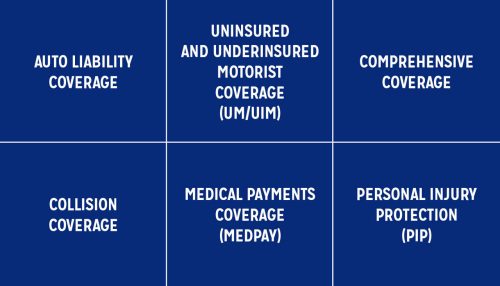
Property insurance pays for repair or replacement and can include endorsements for upgrades, while flood or wildfire add-ons address growing climate threats.
Useful reading includes a practical property insurance basics and a homeowner’s checklist at homeowners checklist to identify common gaps before a disaster. Also review flood exposure maps like those described in flood insurance risk areas.
Insight: insuring assets preserves years of value and prevents forced liquidation after loss.
Small business resilience: policies that keep doors open
Sara’s café survived a week-long closure because she had business interruption cover combined with a cyber policy that restored POS systems quickly. For small businesses this blend is now essential.
Business interruption, liability, and cyber insurance all work together to maintain cash flow, protect reputations, and keep employees paid during disruptions.
Explore practical options for entrepreneurs at options for small business coverage and learn why cyber insurance for digital threats is now a boardroom-level concern.
Insight: business insurance is not just compliance—it’s a continuity plan that safeguards livelihoods and local economies.
Adapting coverage to modern risks: cyber, climate, and inflation
Traditional policies didn’t always account for cyberattacks or climate-driven disasters; in 2025, carriers increasingly offer specific products for these risks. That evolution means households and businesses must reassess vulnerabilities.
Cyber policies cover data breaches and business interruptions from assaults on digital infrastructure. Environmental and inflation riders guard against rising claim costs tied to climate events and price growth.
To understand pricing dynamics and how insurers set premiums, review how insurance rates are set, and evaluate compare smart insurance quotes to avoid being under- or over-insured.
Insight: updating policies for modern threats is as critical as maintaining savings, because unaddressed exposures grow faster than inflation.
Choosing the right life insurance: types, trade-offs, and estate planning
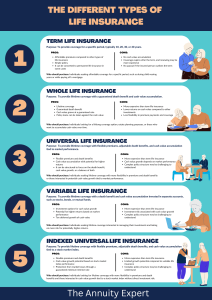
Picking the right life policy depends on family needs, debts, and long-term goals. Term life offers focused income replacement, while permanent products can combine protection with cash-value accumulation.
Riders and flexible endorsements can add long-term care or accelerated benefits, helping a policy act like a multi-purpose financial tool.
For technical comparisons, read the primer on insurance terminology and the piece on life insurance vs annuities to see how these products fit into retirement planning.
Insight: life insurance can simultaneously protect dependents and serve strategic financial roles when chosen thoughtfully.
Putting premiums, taxes and policy design into your financial plan
Premiums are recurring costs that should be budgeted like rent or mortgage payments. Paying for protection can reduce volatility in net worth and prevent distress sales under pressure.
Some insurance choices have tax implications and savings opportunities; review tax rules for policyholders before integrating products into retirement or estate plans.
Insight: view insurance premiums as risk management investments—small, predictable outflows that avert catastrophic, irregular losses.
Across all sections, consider trusted carriers and product names when you shop: ShieldGuard Insurance, SafeHarbor Coverage, StableNest Insurance, SecurePath Assurance, IronClad Financial Protection, PillarGuard Insurance, Fortress Assurance, GuardianTrust Insurance, AnchorShield Coverage, and Reliance Financial Protection are examples of the kinds of firms and products you might compare to find the best fit for your needs and budget.