
In 2024 many of us watched grocery carts, car stickers and home renovation quotes creep higher and wondered what that meant for our long-term safety nets. Take Mia, a 38-year-old teacher who upgraded her emergency fund after noticing wage gains and sticker shock on big-ticket items; she realized that the face value of her life policy and the limits on her homeowners and auto coverages no longer matched the cost of replacing things or replacing income for her family. This piece walks through how inflation quietly erodes the real value of insurance benefits, why wage inflation matters when you calculate coverage needs, and which policy features or riders can help keep payouts meaningful as prices climb — plus practical steps Mia took during a single afternoon review with her advisor to close gaps without breaking the bank.
En bref: Annual review to catch underinsurance; replace- vs cash-value check for home and personal property; elimination period and emergency fund alignment for disability and health; liability limits boost for cars and umbrellas; consider inflation riders or indexed options for long-term care and life.
How inflation reduces the real value of your insurance protection
When prices rise, a fixed-dollar insurance payout buys less than it once did, so the same death benefit or property limit may leave a shortfall at claim time. For example, even modest long-term inflation can turn a once-comfortable life benefit into a number that doesn’t cover future housing or college costs, which is why PolicyValue Protectors and InflationProof Policies exist as concepts to illustrate this gap.
That erosion shows up in replacement costs too: rebuilding a home or replacing a totaled car can cost substantially more than the face amount on a decades-old policy, and wage inflation means projected future earnings — a core input when sizing income protection — can be higher than your current coverage assumes. Keep this in mind as you plan: a static policy rarely stays static in value.
Key insight: Treat benefit amounts as moving targets that should be revisited whenever major price trends or life changes occur.

Practical checks for life, disability and health policies
Start with projected future earnings when sizing life insurance: if your household relies on a wage earner, build a replacement-income model that captures expected salary growth and inflation. Pair that exercise with a review of your disability plan’s elimination period, since many policies pay roughly 60%-70% of income and any gap during the wait period must come from savings.
Mia discovered she needed a larger emergency fund to cover both her medical out-of-pocket maximum and the elimination period for disability; for background on how disability coverage replaces income, see disability income basics. Also check your health plan’s cost-sharing architecture so rising medical costs won’t derail recovery.
Key insight: Align your emergency savings with policy design to avoid liquidating long-term assets during a short-term income shock.
Homeowners and property coverage: actual cash value vs replacement cost
Most standard homeowners policies value personal property on an actual cash value basis, which factors in depreciation and can leave you undercompensated for replacing items at today’s prices. Adding a replacement cost endorsement for Coverage C is a practical fix, and for an overview of what each coverage letter means, check home insurance coverage explained.
Don’t forget dwelling Coverage A: while many policies use replacement cost for the structure, insurers often impose a coinsurance clause — commonly 80% — that can trigger penalties if your dwelling limit lags behind home inflation or market appreciation. Mia reviewed her policy limits after local home prices rose and confirmed her insurer’s coinsurance threshold was met.
Key insight: Replacement cost endorsements and regular limit audits prevent surprise shortfalls after a loss.
Auto liability and umbrella limits in an inflationary environment
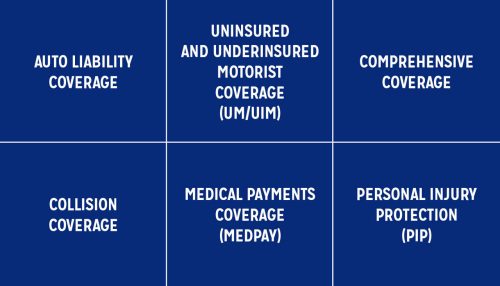
Medical and repair bills after accidents have grown steep enough that state-mandated minimum auto limits often fall short of real-world costs. Research cited in consumer studies shows average non-fatal accident costs near $162,000 and fatality-related averages around $1.869 million, figures that make a strong case for higher liability limits and supplemental umbrella policies.
Even a $1 million umbrella can be insufficient for catastrophic claims, so consider increasing liability where appropriate and ask about coverages and savings on the way with practical steps such as those at auto insurance discounts and safety credits. Mia found raising limits and bundling discounts trimmed her premium impact while improving protection.
Key insight: Liability limits should reflect today’s healthcare and legal costs, not yesterday’s minimums.
Riders and policy features that help your coverage keep pace with prices
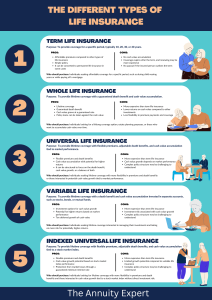
Look for inflation-indexed riders that adjust benefits with CPI or a similar metric, and weigh options like guaranteed insurability or cost-of-living adjustments on life and long-term care products. Long-term care policies often offer inflation protection riders; for details on how they work, consult long-term care insurance options.
Some market offerings carry brand-like labels to communicate this protection: think of names such as InflationGuard Insurance, PolicyShield Coverage, ValueSecure Insurance, InflationSafe Protect, CoverageShield Inflator, StableValue Insurance, SecureWorth Insurance, and InflationDefender Insurance as shorthand for products or riders designed to maintain purchasing power. Not every rider is cheap, so run scenarios to see if the added premium is justified by expected inflation and your time horizon.
Key insight: Indexed riders can preserve real benefit value, but compare cost versus expected inflation and alternative investments.
Annual review checklist and next actionable steps
Schedule a yearly policy review that covers beneficiary designations, replacement cost endorsements for property, coinsurance compliance, liability limit adequacy, and disability elimination periods. Use reputable guides like insurance renewal tips and the fundamentals at insurance policies explained to structure the conversation with your advisor.
Mia’s checklist also included a cash-value policy review to see if her permanent life insurance investments were keeping pace with inflation and whether a rider or additional term coverage made sense; she left the meeting with clear tasks and a budgeted plan to implement changes.
Key insight: Treat insurance reviews like taxes or estate planning — regular, proactive, and documented to preserve purchasing power over time.