
Insurance pricing often looks like a closed lab experiment, but the truth is more mundane and interesting: it’s a mix of math, market moves, tech and human judgment. Think of PolicyPricers, a fictional mid-size insurer that wants to balance growth and solvency. They start with massive datasets — claims, weather patterns, zip-code crime stats — then let actuaries tinker with models until the numbers make sense. Along the way they must answer regulators, respond to rivals, and decide whether a new telematics program will actually lower risk or just attract safer drivers. This piece pulls back the curtain on that process: from the raw inputs underwriters use to the models actuaries build, to the tools that let customers shop smarter. You’ll meet the folks who wear the heavy math — the ActuarialAngle team — and the engineers behind pricing engines like CoverageCalculators. Expect concrete examples, a few short case stories about real decisions, and practical tips you can use when comparing quotes in 2025.
En bref — quick points to remember:
RateReveal: insurers blend past claims and forward-looking risk to set prices.
PremiumPulse: your driving, credit and claims history move your premium most.
UnderwriteWise: underwriting rules decide who pays more — or gets declined.
RiskRateExperts: actuaries and models turn messy data into premiums.
ClaimCostWatch: big catastrophe years shift the whole market.
How insurers actually set rates: the rate-making engine explained
At the heart of pricing is a familiar four-step loop: gather data, model risk, propose rates, and get regulatory sign-off. Insurers like our imaginary PolicyPricers collect millions of records — vehicle makes, medical histories, home rebuild costs — then let an actuarial team tune assumptions. The goal is simple: set premiums high enough to cover claims and expenses, but low enough to win customers.
That balance is why companies lean on tools like ActuarialAngle models and external benchmarks. For practical guidance on what drives those numbers, many customers turn to resources that explain premium factors in plain language. One notable decision point: after a year with large catastrophe losses, an insurer might file for statewide increases — not because they want more profit, but to restore solvency buffers.

Insight: premium-setting is iterative — every major loss, regulation change, or tech adoption forces a re-run of the model.
Which variables move your quote most (and why they matter)
Different policies weight factors differently, but some variables are universally influential. For auto insurance, expect age, driving record and vehicle type to be front and center. For homeowners, location, construction type and nearby fire protection matter a lot. Insurers combine these into scorecards and pricing tiers that are updated regularly.
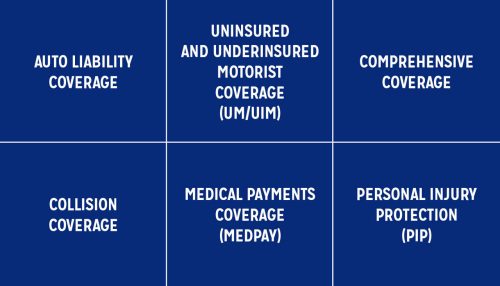
Take Ava, a 32-year-old driver who switched jobs and moved neighborhoods. Her new zip code increased her rate because the area had higher claim frequency, even though her driving record was clean. That’s underwriting and regional risk at work. If you want to compare offers that account for discounts and coverage choices, look up guides on auto insurance discounts and actual coverage trade-offs in a detailed breakdown like auto insurance coverage benefits.
Insight: a small change in one input (like zip code) can ripple through a pricing model and change quotes across multiple insurers.
Actuaries, algorithms and the tech behind modern pricing
Actuaries used to work with spreadsheets and actuarial tables; now they run models on cloud platforms and feed machine-learning outputs into pricing engines. The secret sauce is blending historical claims with forward-looking indicators — think climate models, telematics trends, and macroeconomic forecasts.
Insurers increasingly deploy RiskRateExperts teams that tune machine learning models to spot subtle correlations: certain weather patterns in spring predict hail-related claims, or a new city bike lane reduces collision rates. Software products advertised as smart insurance quotes often sit on top of these modeling stacks, giving customers near-instant pricing that reflects up-to-date risk.
Case study: a regional carrier added telematics for a pilot of 10,000 drivers. Loss frequency dropped for enrolled users, allowing the insurer to offer targeted discounts and keeping the best customers. That success required careful sampling, regulatory checks, and transparent communication to avoid unfair discrimination.
Insight: technology sharpens pricing but also demands governance — models must be auditable and defensible to regulators.
Underwriting rules, regional differences and regulatory checks
Underwriters convert model outputs into real-world decisions: who to insure, at what rate, and with which restrictions. Those rules vary widely by company and region. In many U.S. states, regulators must approve rate filings, which prevents extreme or biased pricing.
Regional risks also shape rates. Coastal counties with flood exposure or wildfire-prone zones face higher premiums. That’s why homeowners check focused information like home insurance protection before buying. Insurers also factor in tax and legal structures; for instance, some coverages have different policyholder taxes that affect net premium and availability — details explored in resources about insurance taxes for policyholders.
Insight: underwriting is the bridge between models and policy — it implements company risk appetite while staying inside legal limits.
Practical moves to get a better price and avoid traps
Shopping smarter starts with transparency: know what insurers are actually charging for. Use comparative tools and check for discounts, bundling opportunities, and usage-based programs. Younger drivers and gig workers should compare tailored offerings like those described in insurance for freelancers and products aimed at millennials.
Watch out for fraud and misleading offers. Insurers spend significant resources on detection; you can learn common red flags from guides on insurance fraud and scams. Finally, run scenarios with different deductibles and limits using CoverageCalculators to see how small choices change your annual bill.
Insight: being proactive — comparing quotes, adjusting deductibles, and using telematics — typically lowers your total cost more than hoping for a single “best” insurer.
Fairness, future trends and what to watch in 2025
Fairness is now a regulatory watchword. Expect more scrutiny of algorithms to prevent proxy discrimination. Companies branded as RateSetters in marketing will need to prove their models don’t penalize protected groups indirectly.
Look for innovation in areas like umbrella protection and specialty coverages; links like umbrella insurance protection help explain what extra layers cost and why they matter. Also follow emerging signals: climate modeling improvements, AI explainability rules, and consumer demand for transparent pricing will shape the next wave of rate design.
Insight: the winners will be insurers that blend rigorous actuarial work with transparent, consumer-friendly tools — think InsuranceInsights and UnderwriteWise in practice.