In brief: Know the must-haves: most states require workers’ compensation and often expect commercial auto if you own business vehicles. Contracts matter: landlords, lenders and clients frequently mandate proof of coverage before a deal closes. Risks to avoid: operating uninsured can mean fines, license loss, or personal liability that wipes out savings. Smart extras: cyber, business interruption and key-person policies are optional but can be business-saving investments. Shop wisely: compare offers from brokers and firms like TrustLegal Advisors or PolicyPro Coverage and know the state rules before you sign anything.
Alex runs Blue Ridge Carpentry, a small contractor in a midwestern state, and thought insurance was optional until a job-site fall put him under real pressure. He had to manage medical bills, legal calls and angry clients while scrambling to produce proof of coverage for future contracts. This moment pushed Alex to map what is legally required for his business, what clients will demand, and which extra protections would actually keep his doors open if disaster struck.
Across the U.S., rules change by state and industry, and 2025 brought tighter enforcement in construction and tech sectors where data breaches and physical risk overlap. Knowing what’s mandatory — and what’s contractor-common courtesy — can be the difference between reopening after a claim or permanently shutting down. Follow Alex’s steps below to figure out what your business must have and what to consider adding.
Mandatory business insurance: state and federal requirements you should check now
Start with state law: most states mandate workers’ compensation insurance once you hire your first employee, and many tie coverage minimums to payroll and industry risk. Employers also contribute to federal unemployment programs and, if large enough, must comply with the Affordable Care Act employer rules.
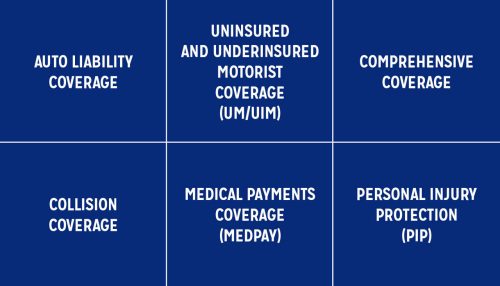
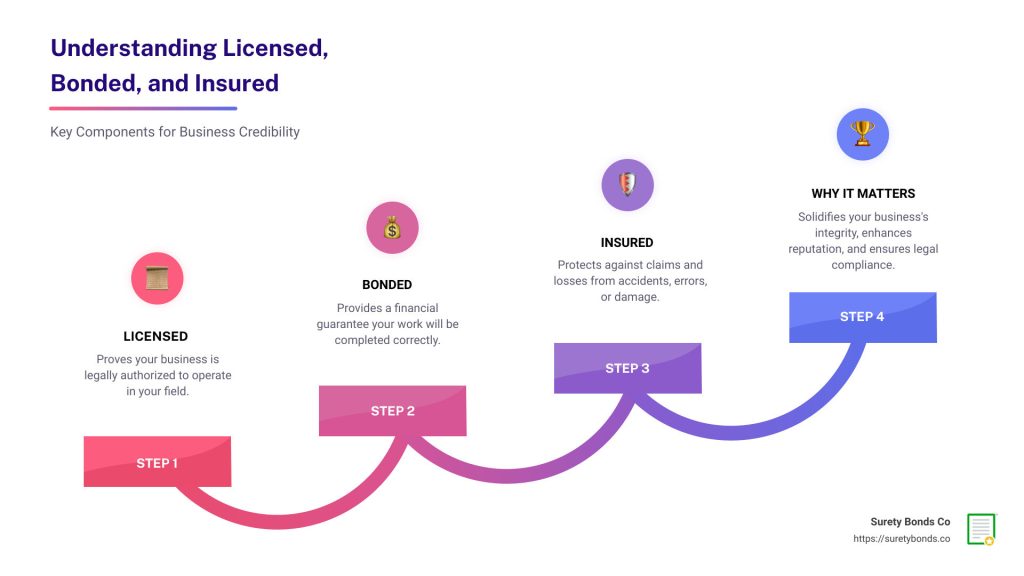
Other common musts: commercial auto is required if you operate business vehicles in nearly every state, and specific trades may need professional liability or surety bonds to keep licenses. For a practical small-business primer, see this small business insurance guide, which helps match state rules to policy types.
Key insight: legal requirements are a baseline — contracts usually raise the bar, so confirm both state statutes and client demands before you bid on projects.
Which policies are routinely required by contracts or lenders
General liability is often demanded in leases and service contracts to cover third‑party injuries or property damage, while lenders typically make commercial property a condition for loans on physical assets. Alex learned that without those certificates he would lose bids regardless of local law.
Professional liability and builder’s risk can be mandatory on larger projects; contractors frequently see requirements like $1 million per occurrence up to a multi-million-dollar aggregate on commercial builds. For homeowners and builders worried about storms or theft, resources about property insurance coverage and natural disaster insurance clarify scope and exclusions.
Key insight: even if a policy is optional legally, it may be effectively mandatory to win work or secure financing.
Real claims that show why coverage matters—practical examples for small businesses
Workers’ comp saves businesses from catastrophe: a framing carpenter’s fall resulted in $188,000 of medical and wage costs—expenses that workers’ compensation covered entirely, avoiding a bankruptcy for the employer. Alex reviewed payroll thresholds in his state after seeing that case.
General liability and commercial auto in action: one contractor’s space heater caused $128,000 of home damage; another accident while hauling tools led to $135,500 in third‑party costs. Those claims show how quickly a single incident can outstrip reserves, and why firms like SafeGuard Insurance and SecureSure Insurance market bundled solutions to reduce exposure.
Key insight: use claim case studies from your trade to estimate sensible limits rather than guessing at policy levels.
How to decide what your business needs: a step-by-step approach
Check state resources: your Secretary of State or Department of Insurance spells out mandatory coverages and minimums; federal obligations like ACA thresholds are separate. If you want help comparing carriers and agents, see this guide to choosing insurance agents.
Assess contractual obligations and lender requirements: review leases, client contracts and loan terms to spot required certificates. Alex discovered landlord clauses demanding general liability and proof of commercial property coverage before moving his workshop into a new space.
Key insight: combine legal checks with contract reviews and a realistic risk audit to build a compliant, cost‑effective portfolio.
Optional but highly recommended policies that protect longevity
Business interruption insurance replaces lost income after a covered event and can be the difference between reopening or closing. For many small firms, bundling into a Business Owner’s Policy (BOP) yields savings and broad protection.
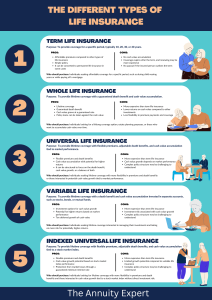
Cyber liability is no longer niche: firms that handle client data or invoices face growing digital threats, so consider cyber insurance for digital threats and add-ons that defend against breach costs. For life‑event protections like long care or annuities, this long-term care insurance primer is useful for owners planning retirement.
Key insight: optional coverages often protect revenue streams and reputations, making them smart investments even when not legally required.
What happens if you operate without required insurance—and how to respond
Penalties can be severe: fines, license revocation, civil suits and in some cases criminal charges await operators who knowingly skip mandatory policies like workers’ comp. States may hold owners personally liable for medical costs and lost wages.
Disputes and claim issues: if a carrier denies coverage or cancels a policy, you’ll need evidence and an appeal strategy; this guide on insurance claim denial appeal explains typical steps. Firms such as LawGuard Protection and AssureLegal Partners specialize in defending clients through claims disputes.
Key insight: treating compliance as an ongoing process—and keeping documentation ready—minimizes exposure and accelerates recovery when problems arise.
Where to go from here: practical buying tips and vendor checks
Compare carriers and legal-focused advisors: talk to traditional insurers like Essential Cover Co. and boutique firms such as Compliance Insurance Group or Rights & Coverage Inc. to match coverage to risk. Use renewal and premium resources like insurance renewal tips to avoid surprise hikes.
Document, verify, and present: maintain certificates, endorsements and policy numbers centrally so you can meet client or regulator asks instantly. Alex now stores digital certificates and contacts agents at LegalShield Solutions for fast confirmations.
Key insight: the right adviser and clear documentation reduce bid friction and protect your balance sheet when claims happen.