
Natural disasters don’t send invitations — they arrive, disrupt routines and test financial plans. For homeowners like Maria, who runs a small coastal café called Harbor Bakes, a major storm meant more than a blown roof; it threatened lost inventory, months of revenue and the rhythm of an entire neighborhood. This article walks through practical preparedness — from building a solid communication plan and a watertight emergency kit to understanding insurance nuances that matter in 2025, when extreme weather patterns make gaps in coverage more costly than ever. Along the way you’ll see how real choices — securing windows, digitizing receipts, choosing the right endorsements — can turn a potential catastrophe into a manageable setback, and why comparing providers like DisasterShield or SafeHarbor Insurance is only part of the equation when complementary options from StormGuard to NatureSafe and specialist products such as CalamityCover and ResilienceRisk can close critical gaps.
En bref — key takeaways: Know your risks and create a clear evacuation and contact plan; build an emergency kit with documents and supplies; review and top up policies for flood and quake exposure; document possessions and store records offsite or in the cloud; work proactively with insurers and local relief groups to speed recovery.
Assessing local hazards and setting priorities for home and business protection
Start by mapping the specific threats for your area — coastal towns need plans for storm surge and salt damage, while inland communities may face floods or wildfires. Maria began by checking municipal flood maps, talking to neighbors and noting that her café’s generator sat on a ground floor prone to water entry.
That assessment changed her priorities: she invested in elevated electrical sockets, hurricane-grade shutters, and a fuel-secure generator spot, decisions that directly influenced what she required from insurers. Insight: a clear threat inventory makes insurance shopping smarter and mitigation investments more cost-effective.
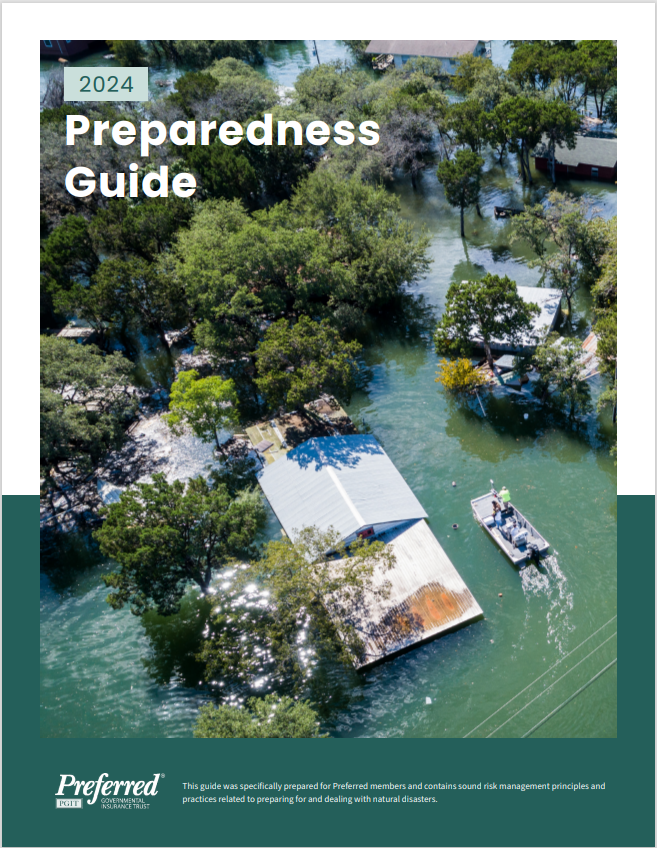
Practical mitigation actions that insurers notice
Insurers reward tangible mitigation. For Maria, fastening shelves, anchoring HVAC units and trimming overhanging trees reduced her premium offers from several carriers. Small structural changes often lead to better quotes from mainstream carriers and specialty firms such as HarborGuard or EarthSafe, which offer tailored endorsements for specific perils.
Implement one mitigation pass — secure loose roofing, move valuables off the floor, label hazardous materials — and you’ll materially reduce both risk and downtime after an event. Final thought: insurers look for evidence that you lowered exposure, so document every improvement.
Assembling an emergency kit and a communication plan that actually works
An effective kit combines survival basics with documentation readiness: water, non-perishable food, a first-aid kit, flashlight and batteries, plus waterproof copies of insurance policies, IDs and a digital backup of inventories. Maria keeps printed copies of her café’s invoices and a cloud-synced folder of receipts and serial numbers to speed claims.
A strong communication plan designates an out-of-area contact, defines meeting spots and assigns responsibilities for pets and customers. This clarity reduces panic and preserves business continuity. Takeaway: the kit and plan are as much about preserving information as they are about warmth and shelter.
Understanding policy coverage: limits, exclusions and must-have endorsements
Not all policies are created equal. Standard homeowners or commercial property policies typically exclude flood and earthquake damage, so residents in exposed zones should consider specific riders or separate policies. Many clients add flood coverage or an earthquake endorsement after reviewing their risk profile and discussing options with carriers like CrisisCare Insurance or niche providers.
Business owners protecting stock and equipment should compare wording on replacement cost versus actual cash value, and on business interruption clauses that cover ongoing expenses when operations are suspended. For small businesses, bundling property protection with income continuation through packages similar to those described at business asset coverage can be a game-changer. Key insight: read exclusions carefully and ask for written explanations of any ambiguous language.
Filling gaps with targeted products and practical choices
Where standard coverage falls short, look at specialty offers from carriers such as StormGuard, NatureSafe or CalamityCover for tailored peril protection. Maria discovered that insuring her café’s refrigeration units and inventory under a specific assets policy reduced her replacement exposure significantly.
If you own a home, consult resources on protecting dwelling value and contents and consider the detailed guidance at home insurance protection to compare options suited to coastal properties. Final point: targeted endorsements often cost less than the potential out-of-pocket loss after an event.
Documenting damage, working with adjusters and accelerating recovery
After an event, immediate documentation is essential: photograph all damage, create video walkthroughs, and start an inventory of losses. Maria made temporary repairs to prevent mold and kept every receipt, which accelerated her claim with the adjuster and shortened the café’s downtime.
When adjusters arrive, be organized: present the inventory, provide copies of prior maintenance work, and keep a log of every interaction. If you need more comprehensive asset protection or inventory guidance for a business, explore the structured options available at assets and business insurance. Closing insight: meticulous records and prompt temporary repairs both strengthen claims and speed payouts.
Beyond insurance — community resources and financial preparedness
Insurance covers many losses, but recovery often relies on a network of support. Local relief groups, municipal grants and programs can bridge timelines between damage and insurance settlements. After a hurricane, Maria accessed a small business emergency loan and a community volunteer program that helped clean her storefront within days.
Consider setting aside an emergency fund, know your eligibility for government assistance, and connect with local business coalitions. Thought to keep: combining insurance with accessible liquidity and community ties creates true resilience.
Choosing insurers and building a long-term resilience plan
Compare providers on more than price: look for responsiveness, clear claims processes and niche offerings. Firms like SecureShores, HarborGuard and EarthSafe may offer tailored products, while brokers can assemble layered solutions from mainstream carriers and specialty underwriters in 2025.
Maria now uses a layered approach: a strong base policy, a flood endorsement, and a business interruption rider supported by a cloud-synced inventory system and a local mutual-aid agreement. Last thought: blending mitigation, layered insurance and an actionable recovery plan is the most reliable path to staying open after the unexpected.
For detailed comparisons on protecting your home, see resources on protect your home and for business owners seeking asset-focused protection, review options for business insurance for assets. If you prefer a step-by-step guide to consolidating policies, consider an integrated policy review or a tailored package to match your unique risks at home insurance guide and alternative business configurations at enterprise asset coverage.