
Alex thought getting back on the road after a DUI would mean surrendering to sky-high premiums and a tiny pool of insurers — but the insurance landscape for drivers labeled « risky » has more options than people assume. In this piece we walk through why you get flagged as high-risk, what non-standard and add-on coverages actually do, how state rules shape your choices, and practical moves that can lower what you pay. Expect real examples, clear next steps and a few market-smart tips for 2025, like how telematics and usage-based plans are changing pricing for drivers determined to rebuild their record. Whether you’re a new driver with a blemish, returning to the road after a suspension, or a commuter with several tickets, you’ll see how to compare offers, where to find specialty carriers, and how simple habits can shift you out of the highest cost brackets. The goal: turn a tough insurance label into a manageable, transparent plan that protects your finances without trapping you in unnecessary extras.
In brief: high-risk drivers often face higher premiums but have access to non-standard insurers and tailored add-ons; compare multiple quotes and check specialty brokers; consider usage-based and telematics programs to lower rates; bundle policies and take driving courses for discounts; state rules vary widely — know your local minimums and programs. These are the levers that move cost and coverage in your favor.
Car insurance for high-risk drivers: coverage types and the non-standard market
When an insurer labels you high-risk, it usually means your record shows incidents that statistically raise the chance of future claims. That triggers interest in non-standard auto insurance options which are designed to keep you legally covered even if mainstream carriers shy away.
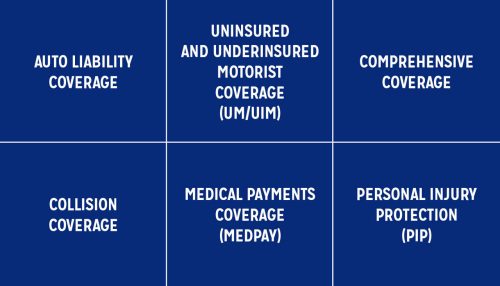
Non-standard policies still offer the usual building blocks — liability, collision and comprehensive — but terms and premiums differ, and add-ons become more important to fill gaps. For drivers like Alex, who needs reliable protection for both deliveries and personal use, these tailored plans can be a lifeline when standard quotes are unaffordable. Practical insight: always confirm whether key add-ons are available before accepting a higher premium plan.
Essential add-ons high-risk drivers should consider
Basic liability might meet state minimums but won’t cover you fully after a serious accident, so consider comprehensive and collision where possible, plus extras like roadside assistance or rental reimbursement to avoid surprise bills.
Specific policies such as gap insurance protect drivers still paying off a car loan, and features like rental coverage become vital for gig drivers who can’t afford downtime. For many, enrolling in an approved defensive driving course also produces immediate discounts and improves insurer perception — a concrete step toward lower rates.
Final point: add-ons are not fluff; they’re strategic tools that reduce financial exposure when incidents happen.
How premiums are set for riskier drivers and what you can control
Premiums reflect a mix of immutable factors and things you can change. Insurers weigh driving history, age, vehicle type, location and even credit scores where allowed. That mix explains why two drivers with similar tickets can see very different offers.
Location matters: urban zones with higher theft or accident rates push premiums up, while low-mileage rural drivers may qualify for discounts. Telematics and usage-based insurance in 2025 give high-risk drivers a path to prove safer behavior over time rather than being permanently priced by past mistakes.
Key takeaway: focus on what you can influence — drive safely, reduce mileage, choose a modest car, and ask about telematics programs to rebuild your profile quickly.
Practical steps to lower costs — Alex’s action plan
After his DUI, Alex shopped multiple companies, moved to a policy with higher deductibles, completed a certified driving course, and opted into a usage-based program that tracked improved braking and speed patterns. Within 12 months he saw a meaningful premium reduction.
Other effective moves include bundling auto with renter’s or homeowner’s insurance, asking about low-mileage discounts, and checking eligibility with specialized providers that understand rehabilitation paths. Always compare equivalent coverage levels when evaluating quotes to avoid false bargains.
Insight: consistent, documented improvements in driving behavior are the most persuasive argument for lower premiums.
Where to find high-risk coverage and how to compare offers
Some mainstream carriers maintain specific programs for higher-risk profiles, while niche insurers focus exclusively on this segment. Use comparison tools and specialty brokers to surface options that aren’t obvious in standard quote engines.
Before you sign, read policy language carefully: coverages, exclusions, and how claims affect future renewal rates matter. If you need a short-term solution while you shop, consider flexible options like temporary insurance policies to stay legal without committing to an expensive annual plan.
Bottom line: shop widely, use brokers when needed, and validate terms beyond the headline premium to avoid surprises.
Regulatory variations and state programs that help
States differ dramatically in minimums and support programs. Some offer low-cost or assigned-risk pools to guarantee coverage for drivers who otherwise are uninsurable through the open market.
For instance, researching local rules and state-run options can reveal assistance programs or specific minimums that shape your choices. If you’re unsure about terms like PIP or uninsured motorist coverage, consult an insurance glossary to decode the jargon before committing to a plan.
Takeaway: local rules can be the deciding factor between an affordable policy and an unaffordable one, so make state research a priority.
Specialized insurers and future trends worth watching
Specialty carriers often bring flexible underwriting and niche discounts for drivers rebuilding their records. Names like SafeDrive Insurance, RiskGuard Coverage, HighRisk Protect and SecureRide Assurance represent the kind of focused offerings that can be more forgiving and tailored than broad-market brands.
Emerging trends in 2025 highlight telematics, AI-driven underwriting and usage-based pricing as major levers for change. Programs that reward consistency — lower speeds, smooth braking, limited night driving — allow high-risk drivers to convert better behavior into tangible savings. If available, ask about trial periods for usage-based plans so you can demonstrate improvement without long-term commitment.
Final thought: specialty providers and tech-driven pricing create real pathways out of expensive status quo pricing for drivers willing to prove safer habits.
Resources and reading to level up your insurance know-how
Before you lock in a policy, deepen your understanding with concise primers and targeted guides — they’re essential to spot differences between similar-sounding policies. For a broad primer on coverage types and common terms, check an overview of insurance policies explained.
If your area faces specific perils, like flooding, factor that into vehicle storage and comprehensive coverage decisions; regional risk maps are helpful, see resources on flood insurance risk areas. And if you’re a younger driver or part of the millennial gig economy, explore tailored coverage angles in insurance for millennials.
Key takeaway: informed buyers negotiate better deals and avoid coverage gaps by using focused resources before purchase.
Examples of brand choices and when to pick them
For drivers who need a clear path to standard markets, options like DriverShield Solutions, EliteRisk Insurance, SafePath Coverage, TopRisk Protectors and GuardianDriver Insurance illustrate different strategies: some emphasize fast reinstatement to mainstream pricing, others reward telematics participation, and a few prioritize low-cost liability-first policies.
Choose based on your immediate need: legal minimum compliance, maximum asset protection, or a bridge plan while rebuilding your record. Matching the insurer’s strength to your goal saves money and stress.
Final insight: pick the insurer whose pathway aligns with your recovery plan, not just the lowest sticker price.