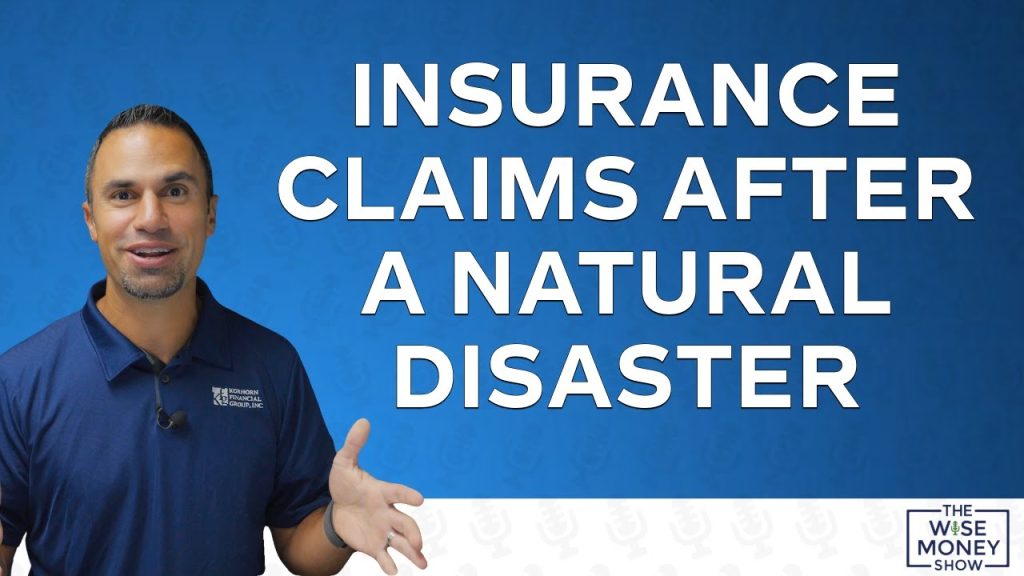
When a storm, flood or wildfire hits, the real work often begins once the emergency crews leave: documenting damage, filing claims and fighting for a fair payout. This piece walks you through the practical steps to file an effective insurance claim after a natural disaster, why insurers sometimes underpay or deny valid claims, and how hiring a public adjuster can change the outcome. You’ll meet a fictional homeowner in Miami Lakes whose claim was transformed after enlisting professional help, and you’ll get concrete, time-tested tactics to protect your property and speed recovery. The guidance covers immediate actions at the scene, paperwork and photographic evidence that matter most, negotiating strategies to maximize settlements, and the right moment to bring in a licensed advocate. It also explains policy traps — like missing flood or earthquake endorsements — and points you to resources for policy review, appealing denials, and tailoring coverages to your risk profile. Throughout, key tools and services such as SafeClaim, DisasterShield and ClaimGuard are highlighted as examples of platforms and approaches that help policyholders track, document and press their claims effectively.
En bref: Act fast: photograph and inventory losses immediately. Document well: keep receipts, contractors’ estimates and time-stamped photos. Get help early: a public adjuster can boost settlements and cut delays. Know your gaps: floods and quakes usually need separate policies. Appeal smart: gather evidence before challenging denials.
Filing Insurance Claims After Natural Disasters: immediate steps that matter
First priority: safety. Make temporary repairs to prevent further damage, but keep receipts and photos of everything you fix. Then notify your insurer and record the claim number; this starts the official timeline.
Documenting losses is the keystone of any successful claim. Take wide shots and close-ups, date-stamp files on your phone, and assemble an itemized inventory. If you want a practical walkthrough on preparing a claim, read this guide on how to file a claim after a disaster for step-by-step tips that pair well with on-the-ground photos.
Key insight: a well-documented claim filed quickly reduces ambiguity and limits insurer arguments about pre-existing damage.
Why claims stall, get underpaid or denied
Insurers manage risk and cash flow; after a catastrophe their teams often prioritize volume over nuance. That can mean long waits, low initial offers, or denials citing exclusions or lack of proof.
Common pitfalls include failing to prove cause (wind vs. water), missing endorsement coverage (floods, earthquakes), and accepting the insurer’s first scope without a detailed review. If you need guidance on contesting a denial, this resource on appealing a claim denial explains the paperwork and legal steps involved.
Key insight: insurers’ first offers are starting points — documented, itemized challenges often yield much higher settlements when done promptly.
Watch an expert explain practical evidence-gathering techniques before you call the insurer:
How a public adjuster boosts your settlement after a disaster
A public adjuster is licensed to represent you, not the insurer. They inspect damage comprehensively, spot overlooked items (like code upgrades, contents, and temporary living expenses), and prepare a supportable estimate to present to the carrier.
Take the case of Ana in Miami Lakes: after her roof was ripped off by a 2024 storm, the carrier initially offered $20,000. A licensed public adjuster reconstructed the full scope — accounting for structural repairs, mold remediation and building-code upgrades — and negotiated the payout to $75,000. Stories like Ana’s show how a specialist converts overlooked losses into recoverable dollars.
For background on what policies commonly cover and where gaps appear, see this overview of property insurance coverage and the specific considerations in natural disaster insurance.
Key insight: hiring a public adjuster early can preserve evidence, counter lowball offers and speed a full restoration.
When to call a public adjuster — timing and signs to act
Best practice: contact a public adjuster before you sign estimates or accept an insurer’s final offer. Even post-submission it’s rarely too late to get help if the claim is stalled, denied, or undervalued.
Warning signs include unexplained delays, pushback on legitimate repairs, or a valuation that fails to cover even basic rebuilding. If you’re unsure which advocate or agent fits your needs, this article on choosing insurance agents helps compare credentials and specialties.
Key insight: early expert involvement preserves leverage — and often turns a marginal offer into a fair settlement.
Here’s a quick explainer video on when to engage a public adjuster:
Practical tips to speed claims and avoid costly mistakes
Keep a single, dated folder (digital and physical) with photos, contractor bids, receipts and correspondence. Never discard estimates that show required code upgrades — these often increase the claim’s total legitimately.
Don’t sign a full release until repairs are complete. If you need temporary housing, track expenses and submit them as additional living costs. Consider policy endorsements to close gaps — read about flexible options in insurance endorsements and how flood exposure changes choices in flood risk areas.
Tools like InsureSwift and RapidClaim aim to streamline submission, while platforms branded ClaimEase and SecureAdjust help manage documentation and communication with carriers. Use them to timestamp photos, centralize receipts and share full scopes with your adjuster.
Key insight: airtight record-keeping plus cautious acceptance of initial offers equals more money recovered and less heartache down the line.
Local help and a practical Miami Lakes scenario
In south Florida, rising storm intensity has made thorough claims work essential. Ana’s story (roof offer rose from $20k to $75k) is a practical illustration: the public adjuster documented hidden water damage, secured code-upgrade coverage, and negotiated living expenses during repairs.
If you want to broaden protection for your family or business, check resources on homeowners insurance checklists and small business insurance to see where extra coverages might help. For those wondering how premiums are set and what affects your rates, this primer on insurance premium factors is a useful companion.
Key insight: local experience matters — a specialist familiar with regional codes and contractor markets often recovers far more than a generic, one-size-fits-all approach.
Final practical takeaway
After a disaster, act deliberately: protect safety first, document everything, get professional estimates, and call a public adjuster if the claim is complex or the insurer’s offer looks low. Platforms and services labeled DisasterProof, StormSafe and NaturalSecured describe the modern toolset available to policyholders who want faster, stronger recoveries.
Key insight: preparation plus evidence plus expert advocacy is the fastest route from damage to full repair.