Life moves fast and your insurance should move with it. With most insurers sending renewal notices about 30–60 days before a policy expires, that renewal window is the best time to check whether your cover still matches reality — whether you’ve bought a new home, welcomed a child, changed jobs, or simply accumulated pricier tech. Skipping that check can leave you underinsured when you need protection most, or paying for coverage you no longer require. This article follows Laura, a freelance graphic designer who learned the hard way that a quiet renewal can hide big gaps, and shows practical, step-by-step ways to update limits, reset deductibles, add family members, and shop smarter without reinventing the wheel. Expect clear actions you can take during renewal, tips on discounts and bundling, and a short checklist of questions to bring to your agent so your policy actually fits your life. PolicyRefresh starts with a quick review — and ends with peace of mind.
En bref: Track life changes (marriage, kids, home); Reassess limits for home, auto and valuables; Check deductibles and how they reset; Shop rather than auto-renew; Ask about discounts and riders — then book an annual review with your agent.
Why renewal is the best moment to update your insurance coverage
When your policy hits renewal it effectively reopens the door for reassessment. Insurers typically keep terms steady unless something significant has changed, so this is your chance to act before the policy rolls over automatically.
Laura noticed that after buying a new laptop and starting occasional product photography work from home, her old limits and endorsements no longer matched her risk. Taking time at renewal let her compare quotes from platforms like RenewSure and CoverGuard, and she avoided a coverage gap that could have cost her thousands. The insight: treat renewal as a checkpoint, not a formality.
Track major life changes before your policy renews
Major events — marrying, having a child, buying or selling a home, switching careers, or starting a business — should trigger an immediate coverage review. These changes can affect liability needs, replacement costs, and beneficiary designations.
For a quick primer on terms you’ll see when you review documents, consult an insurance glossary so you’re not blindsided by jargon. Laura updated her life insurance beneficiaries and added a child rider within the allowed timeframe, which kept claims straightforward when she needed them most. Key takeaway: log life events as they happen so renewal time is a simple update, not a scramble.
Reassess home and auto limits during renewal
Inflation and local construction costs can change the replacement value of a home even if you’ve made no visible upgrades. If you’ve moved to a neighborhood with different risk factors, consider endorsements for flood or wildfire protection, or increasing dwelling limits.
On the auto side, mileage changes, adding a teen driver, or shifting from commuting to remote work affects premiums and liability exposure. Read guidance on how to customize your coverage and compare practical protections. Laura realized her home policy lacked coverage for her home studio equipment until she reviewed the home insurance protection options — fixing it at renewal saved her from future headaches. Insight: match limits to current replacement costs, not past estimates.
Adding child coverage and updating family protections
Welcoming a child means updating more than health insurance. You should add newborns to health plans within the insurer’s deadline, increase life coverage if you rely on shared income, and prepare for future auto additions like a teenage driver.
Riders or specific family provisions may be worth adding, and a short candid conversation with your agent can surface options you didn’t know existed. Read about practical ways to tailor your policy for family changes. Laura expanded her life policy and added a family rider, giving her tangible financial peace of mind. Final point: small policy updates now prevent significant gaps later.
Smart deductible and discount moves at renewal
Understand exactly when each deductible resets: health plans typically reset on the calendar year, while home and auto often reset at policy renewal. That timing affects whether raising a deductible to lower premiums is a smart move for you.
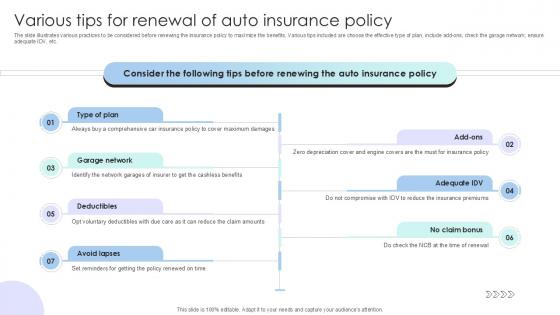
Ask about discounts you might now qualify for — security system credits, paperless billing, low-mileage, safe driving, or multi-policy bundles. Check current options for auto insurance discounts and see if bundling with home coverage saves money. Laura switched to a higher deductible after building an emergency fund and captured a noticeable premium reduction. Bottom line: balance premium savings with your ability to cover the deductible after an incident.
Shop, compare, and book an annual review with your agent
Auto-renewal is convenient but can lock you into outdated terms. Spend 30–60 minutes comparing quotes, checking for new discounts, and confirming beneficiary and rider accuracy before you let a policy roll over.
Make an appointment for an annual review; a knowledgeable agent or broker can run scenarios, recommend when to use PolicyPulse or ProtectNext style tools for monitoring, and suggest practical switches to InsureUp, RenewRight, or RenewShield products where appropriate. Laura’s annual review turned up a bundling opportunity that reduced her combined home and auto costs without reducing coverage. Final insight: a proactive review is the single best way to keep premiums fair and protection accurate.
Practical next steps to take during your renewal
Start with your renewal notice and confirm key details: named insureds, property addresses, vehicle use, beneficiaries, and current deductibles. Then compare at least two alternative quotes and ask your agent about any applicable discounts or riders.
Keep a short renewal note for the year — a snapshot of limits and deductibles — and revisit it whenever life changes. If you pair that habit with annual check-ins, your policy will grow along with your life rather than lag behind. The parting thought: a well-run renewal equals a SafeRenewal and smarter coverage for whatever comes next.