
When your kid gets their license, the to-do list suddenly includes more than just a car and a phone charger — it includes choices that can save (or cost) you thousands. Meet Sarah, a mom in the suburbs who added her 17-year-old son to the family policy last spring: she learned fast that premiums jump, that not all discounts are obvious, and that a few rules at home can make a big difference on the road. This piece walks parents through the trade-offs between adding a teen to an existing policy versus putting them on their own, how telematics and grade-based discounts work, and what coverages are genuinely worth the price for young drivers in 2025.
In short: expect higher premiums for inexperienced drivers; adding your teen to your policy often costs less than a standalone policy; telematics programs and good-student discounts cut rates; choose a safe, modest car and consider dropping collision on older vehicles; and set clear driving rules at home to reduce risk. Read on for practical examples, quick links to deeper reads, and real-life tips from parents like Sarah who navigated the process. Key takeaway: informed choices and simple household rules can lower costs and keep teens safer behind the wheel.
How teen car insurance works and why rates jump
Insurers price young drivers higher because statistically they have more accidents, so premiums spike when a teen joins the mix. Adding a 16–18 year old to a family plan typically raises the household premium far less than if that teen bought an individual policy, and many families find it’s the smarter short-term move.
For a deeper look at how companies set those prices and what regulators look at, check this primer on rate-setting and industry practices: How insurers set car insurance rates. Final point: knowing how rates are built puts you in a better spot to shop and negotiate.

Adding your teen to your policy vs. their own policy — what to consider
Most parents will save money by adding the teen to the family policy, because the insurer spreads risk across experienced drivers. Yet if your teen will drive a car owned and titled in their name, or move out for college, it may make sense to compare quotes for a separate policy.
Learn how different policy types and coverages compare in plain terms here: Insurance policies explained. Also consider product names you’ll encounter in marketing — things like TeenSecure Policies, ParentProtect Insurance, or NextGen Auto Insurance — and ask how each affects your total premium. Insight: ask your agent to run both options side-by-side so you see the real dollar difference.
Smart ways to cut the cost without cutting safety
Telematics apps and defensive-driving credits are often the most effective ways to lower premiums for young drivers. Programs similar to GEICO’s DriveEasy reward safe habits; analogues from other insurers may be labeled under names like DriveWise Insurance or SafeStart Coverage, and they track braking, acceleration, and phone use to qualify you for discounts.
For practical myths and mistakes parents make when trying to save on teen insurance, this guide debunks common misconceptions: Insurance myths debunked. Also consider multi-policy bundles and good-student discounts; these add up. Bottom line: telematics plus academic or multi-policy discounts can materially reduce a teen’s premium within a year.
Which coverages to keep (and which you can drop)
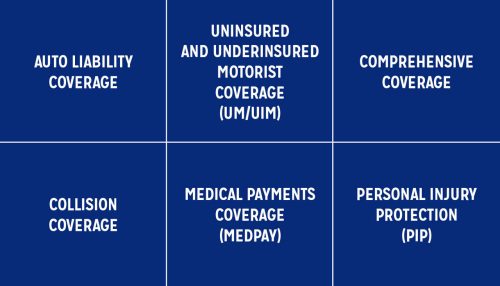
Liability is mandatory in most states, but consider adding collision and comprehensive if the vehicle is new or financed. For an older car that’s paid off, dropping collision to lower premiums is often a rational choice if the loss payout would be small compared to annual premiums.
Want a quick primer on what each coverage actually does? This explainer can help you prioritize: Read about common insurance coverages. Key sentence: match coverages to the car’s value and your family’s liability exposure.
Practical rules and tech to reduce distracted driving and accidents
Parents who set clear rules — curfew, passenger limits, mandatory seat belts, and a strict no-drug/alcohol policy — see fewer claims. Pair household rules with tech: enable Apple CarPlay or Android Auto for hands-free directions, and install apps or devices that limit texting while driving. These measures not only improve safety but may qualify your teen for discounts from carriers that brand these programs as GuardianRoad Insurance, ParentAlert Auto, or YouthDrive Guard.
For families wanting targeted coverage options for younger adults and students, this piece on coverage for younger demographics gives practical coverage ideas: Coverage ideas for younger drivers. Final thought: rules plus tech create habits that insurers reward and that keep teens safer on the road.
Real-life example: Sarah’s family a year later
After adding her son to the family policy and enrolling him in a telematics program, Sarah negotiated a multi-policy bundle and had her son keep a curfew and passenger limit. Within 12 months they saw a discount from safe driving and an academic credit, and they avoided a costly claim because the teen drove a modest sedan with strong safety ratings rather than a sports car.
Final takeaway: a sensible car choice, combined with telematics and household rules, turned a steep insurance surprise into a manageable expense for Sarah’s family.