As retirement arrives, health coverage suddenly becomes the headline item in your financial plan. Picture Margaret, a 64-year-old project manager who left work to finally travel — but who’s now juggling COBRA quotes, Medicare terms and whether a Medigap policy is worth the extra premium. This piece walks through the playbook retirees use to avoid surprises: when to switch to Medicare, how Medigap and Medicare Advantage compare, when a private ACA plan or short-term coverage is a practical bridge, and how tax-advantaged tools like an HSA can soften the blow of out-of-pocket costs. You’ll read real-life examples, simple rules for picking plans, and practical next steps to balance care and cash — because the goal is clear: protect health without eroding the nest egg.
In brief: Assess your anticipated care needs and timing for Medicare; Compare Medicare + Medigap versus Medicare Advantage for networks and extra benefits; Plan for gaps if you retire before 65 using COBRA or the ACA marketplace; Use an HSA as a long-term health fund; Consider dedicated long-term care options or partial coverage to protect savings.
Health Insurance for Retirees: Medicare, Medigap and Advantage plans post-work
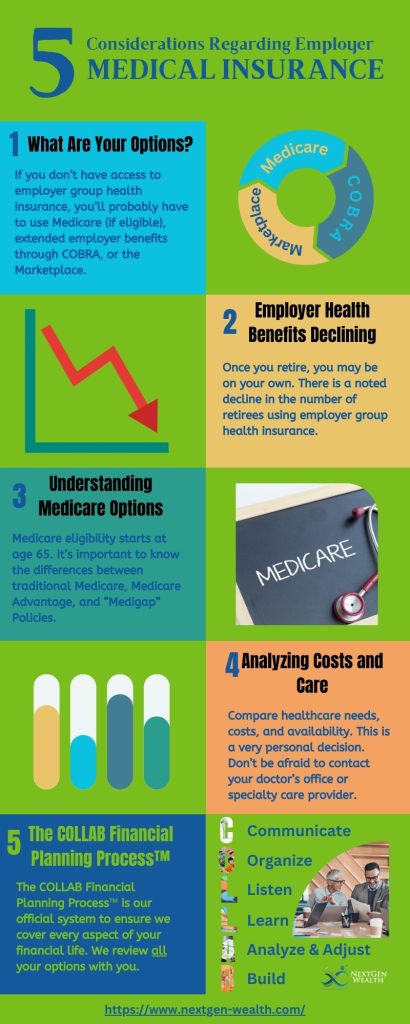
Most Americans begin with Medicare at 65, but what follows depends on taste and budget. Traditional Medicare (Parts A and B) covers hospital and medical care but leaves gaps — copays, deductibles and services like dental or hearing. That’s where a Medigap policy or Medicare Advantage (Part C) comes in.
Think of Medigap as a top-up that smooths out out-of-pocket volatility: you pay a steady premium for predictable coverage. Medicare Advantage often bundles benefits (sometimes dental, vision, or prescription coverage) at lower monthly cost but with tighter provider networks. For example, a retiree comfortable keeping the same doctors might prefer a Medigap combo, while someone seeking extra perks and lower premiums could lean to Advantage.

Practical tip: if network access matters, map your current providers against plan networks before switching — continuity of care can be worth a modest premium increase. Insight: choosing between Medigap and Advantage is a trade-off between predictability and bundled convenience.
How Medicare mixes with employer or retiree plans
Margaret learned the hard way that leaving a large employer can mean a short window to decide: COBRA gives up to 18 months of continuation, but at roughly 102% of the full premium (your share plus employer’s former portion and admin fees). For many, that’s a useful bridge until Medicare kicks in; for others it’s prohibitively expensive.
If your former employer offers a retiree plan, compare it against Medicare options carefully. Some retiree plans coordinate with Medicare and protect dependents; others simply act like high-cost private coverage. If you need more background on life insurance products that might interact with annuities or long-term income planning, consult a primer like life insurance vs annuities explained. Insight: employer-sponsored retiree plans can be valuable but don’t assume they’re the cheapest path.
Bridging the gap: ACA marketplace, private plans and early-retirement options
If you retire before 65, the ACA Marketplace and private plans are common bridges. In the current market environment, costs have changed: by 2025, an unsubsidized ACA plan for a 60-year-old can average around $1,050 per month, though location and subsidies shift that number significantly.
Choose plan types wisely: HMOs generally offer lower premiums with network limits; PPOs cost more but give out-of-network flexibility. If you’re on a tight budget, an ACA Silver plan plus cost-sharing reductions (if eligible) may be the smarter choice. Want a quick primer on how annuities and life products interact with retirement decisions? See this concise guide on comparing life insurance and annuities.
Another route: getting added to a spouse’s plan. It’s often the simplest decision for couples, but always run the math — premiums, co-insurance, and out-of-pocket maximums matter more than monthly sticker price. Insight: early retirees must plan the bridge to Medicare months in advance to avoid gaps or expensive stopgaps.
Private plans and short-term cover — pros, cons and timing
Private plans offer customization but can get pricier with age. Short-term policies exist as emergency safety nets, yet they’re limited and generally not ACA-compliant — expect coverage exclusions. If you’re evaluating private options, do not overlook premium tax credits on the Marketplace; reduced household income in retirement can make plans far more affordable. For a deeper look at how life products tie into cashflow, consult this resource on life insurance versus annuities.
Insight: private coverage can be the right move — but only after a side-by-side comparison with COBRA and Marketplace pricing for your exact zip code.
Funding care: HSAs, HDHPs and long-term care planning for retirees
An HSA paired with an HDHP can be powerful: pre-tax contributions, tax-free growth and tax-free withdrawals for qualified medical expenses. Those funds roll over and can be invested, effectively acting as a dedicated health savings nest egg. After 65, HSA funds can be used for non-medical expenses without the steep penalties (though regular income tax applies), which gives retirees flexibility.
But HDHPs mean higher deductibles. If you’re prone to regular care or expect costly prescriptions, the math can tilt the other way. Consider supplementing an HSA strategy with targeted products from niche retiree insurers like RetireSure or SilverNest Insurance to cover prescription gaps or specialized services. And for serious long-term care exposure, explore partial protection through policies marketed under names like SeniorSafe Coverage or PensionShield so a single prolonged episode doesn’t wipe out decades of savings.
For retirement planning that blends income and insurance products, balance investments and protection: some retirees use annuity income plus a modest long-term care policy to stabilize cash flow and limit downside risk. If you want to contrast life and annuity roles in that plan, review this comparative resource at life insurance vs annuities comparison. Insight: HSAs are tax-smart and flexible, but they’re one tool among many; combine them with targeted coverage if you expect heavy usage.
Practical plan names and sample approaches retirees use
In practice, retirees mix and match. One common combo: enroll in Medicare, buy a Medigap plan, and keep an HSA balance to cover copays and dental work — brands marketed as LegacyCover or PrimaRetire Insurance often pitch products that slot into this strategy. Another is a Medicare Advantage plan from an integrated provider, supported by a short-term private plan if traveling abroad — companies like AfterWork Assurance and PostCareer Protect target those niches.
For those on a shoestring, Medicaid eligibility should be checked — state rules vary and can provide comprehensive coverage for low-income retirees. If you’re shopping for a nametag insurance provider, compare rates and complaint histories; national providers often offer broad networks (think UnitedHealthcare equivalents), while regional players like Kaiser-like systems may win on coordinated care. Insight: label names matter less than the mix of coverage, network access and predictable out-of-pocket exposure.
Decision framework: how to pick coverage that preserves savings and access
Start with timing: when do you become Medicare-eligible? Next, map expected annual medical spend and preferred providers. If you anticipate frequent care, prioritize low out-of-pocket plans; if you expect low use, favor lower monthly premiums plus an HSA cushion. Use at least three quotes: an employer/retiree plan, an ACA Marketplace plan, and the best Medicare + supplement combo you can find. For help integrating insurance with annuities or retirement income, check a reputable primer such as a guide on life insurance and annuities.
Finally, don’t overlook extras: dental, vision, hearing and non-medical social supports can materially affect quality of life. Many newer insurers offer community referral services and social-care connectors that reduce total cost of care; names like GoldenGuard Insurance or ElderCare Shield are increasingly positioning around those services. Insight: planning wins when you align timing, providers and a predictable cost plan so healthcare doesn’t derail retirement goals.