
Insurance deductibles: how to choose the right amount sits at the crossroads of budgeting, risk and peace of mind. Meet Alex, a 34-year-old freelance designer who’s weighing a $2,500 deductible against a higher monthly bill for a low-deductible plan. Alex wants two things: predictable monthly costs and protection if something big happens. That trade-off — pay more each month or carry more risk up front — is the core decision for anyone picking a health plan in 2025. This piece breaks down the mechanics (how deductibles, copays and coinsurance interact), the practical math you should run, and the behavioral nudges that push people toward one option or another. You’ll also see how modern tools like DeductibleSelect and DeductibleAdvisor can model scenarios, while services such as PremiumGuard and PolicyPerfect market smoother monthly bills. Read on to get concrete steps — from checking your emergency cushion to comparing total yearly costs — so you leave open enrollment with a choice that fits both your health needs and your wallet.
En bref — Know the difference: a deductible is what you pay before coverage kicks in. Balance cost vs. risk: high deductible = lower premiums but higher out‑of‑pocket when care is needed. Check HSAs: some high-deductible plans qualify for tax-advantaged savings. Run the numbers: annual premiums + deductible + expected coinsurance = your realistic yearly cost. Shop smart: use tools and talk to an agent before deciding.
Demystifying insurance deductibles: what they are and how they work
A deductible is simply the amount you must pay out of pocket each year before your insurer starts paying for covered services. For example, with a $3,000 deductible, the first $3,000 of eligible costs is on you; after that you typically pay a coinsurance percentage or a copay.
Remember that many plans reset deductibles annually (often on January 1), and ACA marketplace plans include an out-of-pocket maximum that caps what you pay in a year. Understanding these mechanics prevents nasty surprises when a major bill arrives — and it’s the foundation for the practical comparisons that follow.
Insight: mastering the basic terms clears the way for comparing real dollar outcomes instead of being distracted by marketing labels.
How copays, coinsurance and out-of-pocket maximums change the game
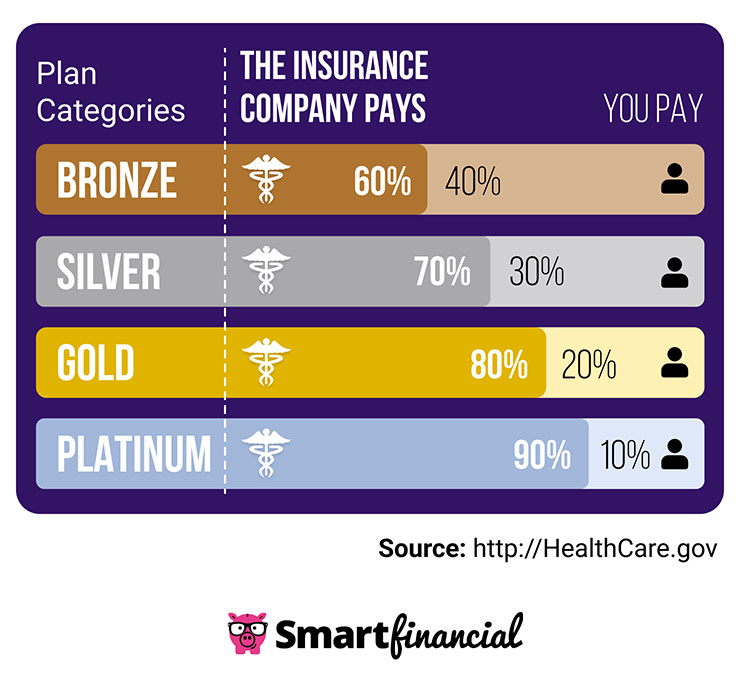
After meeting your deductible, many plans require coinsurance — a percentage (commonly 20%–40%) of each remaining claim — or fixed copays for visits and prescriptions. Note that copays don’t always count toward the deductible, but they generally count toward the out-of-pocket maximum.
Some plans also carve out exceptions: preventive care may be covered before the deductible hits, and certain catastrophic or primary care visits can be available first. These quirks are why you should read the summary of benefits and confirm network rules before enrolling.
Insight: if you expect frequent visits or prescriptions, the coinsurance and copay structure can cost more over a year than the deductible alone.
How to decide: run the numbers for your situation
Alex’s test is simple: calculate Total Estimated Annual Cost = Annual Premiums + Deductible + Expected Coinsurance. Plug realistic usage into that formula. If you rarely use care, a high-deductible plan often wins; if you have chronic needs, low-deductible options may save you money despite higher premiums.
Also assess your liquidity: can you cover the deductible if something happens tomorrow? If not, that higher risk may push you toward a lower deductible even when monthly bills increase.
Insight: the cheapest monthly premium isn’t automatically the best deal — evaluate the full-year number and your emergency cushion.
High-deductible health plans and Health Savings Accounts (HSAs)
High-deductible plans typically come with lower monthly premiums and may allow you to open an HSA — a tax-advantaged account to pay qualified medical costs. If you’re disciplined about saving, an HSA paired with a high-deductible plan can lower net medical spending over time and act as a long-term health fund.
Be aware: HSAs are most beneficial if you regularly contribute and invest the balance. Many people choose high deductibles for short-term premium relief but miss the HSA advantage by not using it.
Insight: an HSA can convert deductible risk into a purposeful saving strategy, shifting cost from reactive to planned.
Practical steps for open enrollment: a checklist that really works
Start by reviewing last year’s claims: did you hit your deductible? Estimate next year’s needs based on upcoming events (planned surgery, pregnancy, medication changes). Use comparison tools like SmartDeductibles or quote engines to stress-test scenarios and then confirm plan details with an agent or service.
Before you finalize, check these live resources for targeted guidance: read a primer on how deductibles function via how deductibles work, compare quotes at compare smart insurance quotes, and get practical renewal advice at tips for choosing insurance renewal. If you want an agent to walk you through options, start with choose an insurance agent. For broader background on coverage types and endorsements, see how to customize your coverage.
Insight: combining claims history, a liquidity check, and targeted online tools reduces guesswork and helps you pick a deductible that fits real life.
Behavioral nudges and common mistakes to avoid
People often chase the lowest premium without thinking about worst-case expenses. Others overestimate their emergency savings and pick a high deductible they can’t actually afford. Tools such as ClaimWise simulate claim scenarios, while RiskBalance frameworks help weigh probability versus impact.
One practical tactic: run a “stress month” where you imagine paying the full deductible tomorrow and see how it would affect bills, rent, or other obligations. That small thought experiment reveals affordability in a concrete way.
Insight: a frank affordability test beats abstract optimism when choosing a deductible.
Next moves: test, get advice, and set a backup plan
Use a side-by-side comparison: total yearly cost, deductible size, coinsurance rates, and the network of providers. Try a demo tool like InsureFlex or CoverageChoice to model scenarios, then consult a human via agents or renewal advisors. If you pick a higher deductible, build a targeted emergency buffer — call it your SafeMargin.
When claims start, keep a digital file and follow best practices for filing using guides such as how to file an insurance claim. For context on premiums and rate drivers, check what affects insurance premiums. If you’re balancing family coverage, read the family vs. individual deductible guidance at insurance basics for beginners.
Insight: your deductible choice is reversible at renewal — pair a decision with a review date and a plan to adjust if your life changes.