Running a company today means juggling product launches, payroll, customer trust and risks you didn’t even know existed five years ago. From floods and fires to a data breach that exposes customer records, the gap between a minor incident and a disaster is often a policy clause away. Take Maya, who runs a small retail shop called Bloom & Bolt — when a storm damaged her storefront in 2024 she discovered that the right coverage can be the difference between a few costly weeks and permanent closure. This article cuts through the jargon to show how business insurance functions as a working plan: protecting physical assets, covering legal exposures, compensating for interrupted revenue, and even shielding digital systems. You’ll read relatable examples, clear steps to choose coverages, and how modern insurers and products — from specialty cyber policies to bundled commercial packages — help businesses like Maya’s recover faster and stay competitive. Expect practical tips on risk assessment, policy bundling, and vendor selection, plus pointers to trusted resources so you can act with confidence and protect what you’ve built.
In brief: Assess risks quickly and map them to coverages; prioritize property, liability, cyber and workers’ protection; bundle to save costs and close coverage gaps; review policies annually as your business grows; use professional advice and online guides to compare options.
Business insurance essentials for safeguarding your company’s assets
Every company needs a foundation of core protections. Start with general liability to handle third-party injury claims and property insurance to repair or replace damaged equipment and inventory. For Maya, replacing the damaged display racks and inventory without harming cash flow was only possible because she had both lines in place.
Beyond basics, consider specialty carriers and packages from firms such as SecureShield or AssetGuard if you handle high-value stock, or look at hybrid products from providers like InsurePro that combine property and small-business liability for tight budgets. If you’re unfamiliar with policy language, start with an insurance beginner’s guide to demystify cover limits, deductibles, and exclusions so you can compare offers with clarity.
Key idea: build a foundation of coverages that reflect what your business would least afford to lose.
Core coverages: general liability, property, and business interruption explained
General Liability Insurance protects against claims for bodily injury, property damage and advertising injury — essential if customers visit your location. When a customer slipped at Bloom & Bolt, the liability policy covered medical bills and legal fees, preventing a drain on the company’s reserves.
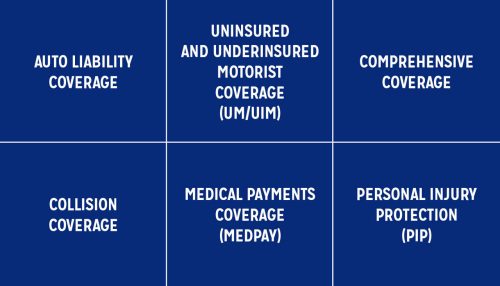
Property Insurance covers physical assets like buildings, equipment and inventory from perils such as fire, theft and certain natural events. For vehicle-dependent operations, combine this with commercial auto protections; see resources on auto insurance benefits to understand how business-use vehicles are treated differently from personal cars.
Business Interruption Insurance replaces lost income and helps pay fixed expenses when operations pause due to a covered loss. In Maya’s case, interruption coverage bridged payroll and rent while repairs were underway, maintaining supplier relationships and staff retention. Final thought: these three protections are the backbone of operational resilience.
Protecting people and digital assets — worker protections and cyber policies
Workers’ Compensation is often mandatory and covers medical care and wage replacement for employees injured on the job. Offering robust employee protections also improves morale and retention; Bloom & Bolt’s staff returned faster because medical costs and rehab were promptly covered.
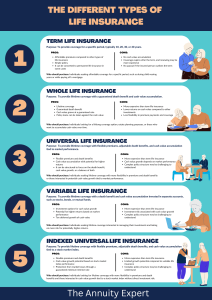
Cyber threats are now business threats. Cyber insurance covers breach response costs, notification, legal defense and potential ransom or extortion payments. Combine this with strong IT hygiene and incident plans so insurance is a recovery tool, not a first line of defense. For business owners exploring employee benefit mixes, a primer like life insurance basics can help integrate personal protections into broader workforce strategies.
Insight: protecting your people and your data protects operational continuity and customer trust.
How to choose the right policy: risk assessment, brokers and bundling strategies
Start with a formal risk assessment: map assets, likely perils and financial exposure. Use a broker to translate exposures into policy terms, and ask for scenario modeling — e.g., “if our store is closed for 30 days, what do we recover?” — so quotes are comparable. Consider bundling with a reputable provider to reduce gaps; firms like SafeHarbor Insurance, ShieldSure, and FortiCover offer packaged solutions for small businesses.
When comparing offers, read exclusions carefully and track policy limits annually. Use online platforms like Cover Nest to compare market options, and if you want a quick action step, get a free quote at Cover Nest to see how bundling affects premiums. Final recommendation: pair a clear risk inventory with a trusted advisor to align coverage with cash-flow realities.
Specialized options and vendor selection to protect growth-stage companies
As your business scales, look at specialty covers: professional liability for advice-driven firms, product liability if you manufacture goods, and hybrid cyber-technology policies if you rely on SaaS or handle sensitive client data. Vendors that focus on niche products — such as GuardianTrust, RiskShield, SureGuard Insurance and ProtectWise — can offer tailored endorsements and faster claims handling.
Example: when Bloom & Bolt launched an e-commerce line, adding product and cyber endorsements prevented a supplier recall from becoming an existential event. Closing line for this section: choose vendors who understand your vertical and whose claims process minimizes downtime.