Insurance policy cancellation: how and when it happens — canceling a policy is rarely just a click and it’s gone. In 2025 the market is crowded, rates move fast, and people like Alex, a 34-year-old freelance photographer, juggle changing income, a sold car, and a new job that offers different benefits. Alex’s experience shows the traps: missed notice periods, short-rate refunds, and accidental gaps that raised future premiums. This piece walks you through the legal and practical steps for canceling auto, home, health and life insurance, explains what insurers can do in response, and gives concrete examples so you don’t get burned. Expect clear guidance on notice requirements, how refunds are calculated (pro-rata vs short-rate), what to ask for in writing, and how to replace coverage without losing protection. Along the way you’ll meet real-world options like PolicyCancelPro tools that automate paperwork and insurer-side products such as CancelShield or CancelAssist, plus consumer tactics like timing cancellations before renewals. Read on to learn what to prepare, how to document everything, and which mistakes cost you most in the long run.
En bref
– Know your notice period: missing a 10–30 day window can trigger a short-rate penalty.
– Always line up replacement coverage: one-day gaps may increase premiums and can lead to fines for auto policies.
– Check refund rules: some insurers return premiums pro-rata, others apply fees so you receive less.
– Keep everything in writing: a signed cancellation date and confirmation protects you if the insurer disputes timing.
– Ask about reinstatement: canceled policies sometimes require underwriting or medical checks to restart.
When can you cancel and what policies allow mid-term termination
Most policies permit you to cancel at any time, but the practical reality varies by product and state rules. For example, auto and homeowners contracts often include clear cancellation clauses and specific notification requirements, while some long-term life or group health plans may have stricter terms.
Alex learned that his car insurer required a written request at least 15 days before the requested end date; otherwise the company honored coverage until the billing cycle closed and charged for the extra days. That’s a common setup: insurers accept voluntary cancellations but may apply a minimum earned premium or short-rate penalty to cover admin costs.
Insurers can also cancel policies for reasons such as non-payment, fraud, or a changed risk profile — but they must usually provide notice. Knowing whether your policy refunds on a pro-rata or short-rate basis will determine how much you get back when you stop the policy.
Want to see how younger policyholders approach coverage choices? Check this analysis on changing needs and coverage patterns among millennials insights on millennial coverage choices. Final thought: review your policy’s cancellation clause now so you’re not surprised when you need to act.
How refunds and early termination fees actually work
Refunds are not uniform. If the insurer cancels you, refunds are often calculated pro-rata, returning the unused portion. If you cancel, many companies use a short-rate method that deducts an administrative percentage, typically between 5% and 10%, or enforces a minimum earned premium.
Alex pre-paid a six-month homeowners premium; when he sold the property and canceled three months early he received a prorated refund minus a small processing charge. Had he canceled the first month, his insurer might have kept a larger share under a short-rate schedule. Always ask your carrier to show the exact calculation in writing.
If you want practical tips for travel-related policies and refund windows, this piece explains common clauses and deadlines and how some plans include a free-look period travel insurance benefits and refund rules. Key insight: ask for a written refund breakdown before you sign a cancellation request to avoid surprises.
Step-by-step: canceling auto, home, health and life insurance
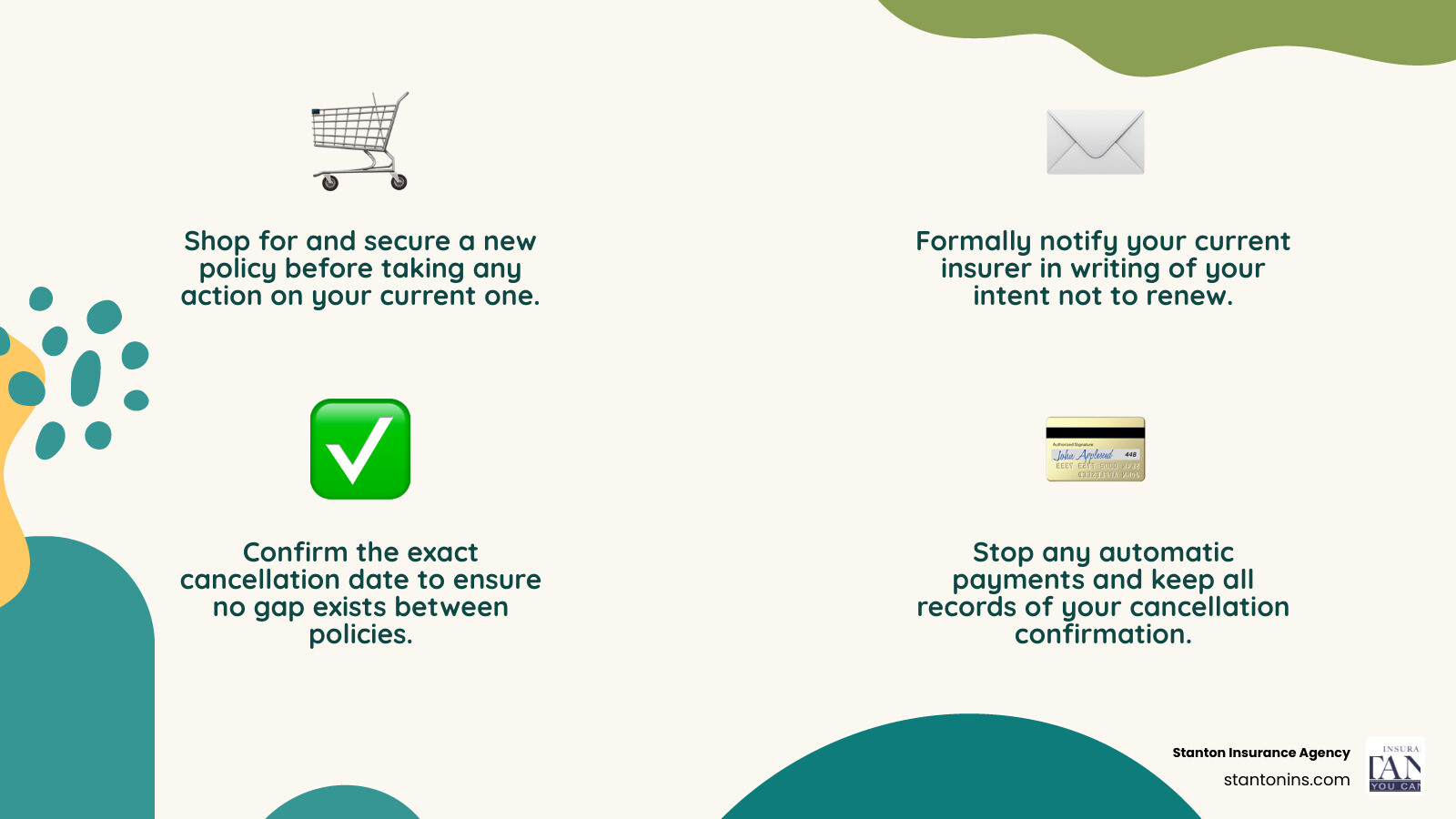
Different products require different actions. For auto, confirm your state’s proof-of-coverage rules, secure new insurance first, then submit a signed cancellation with an explicit effective end date. For homeowners, notify both the insurer and your mortgage servicer if your policy is escrowed.
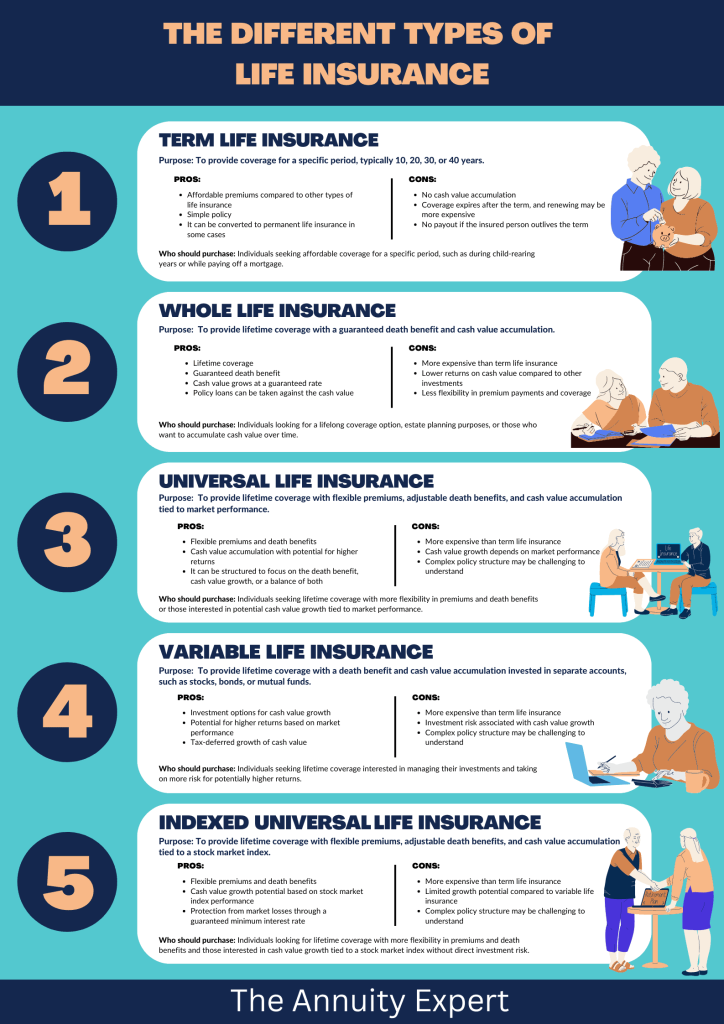
Health plans vary: private plans usually let you cancel anytime, but enrolling elsewhere can be limited to open enrollment or special enrollment periods. Employer plans often require HR paperwork; life insurance cancellations may trigger surrender charges or cash-value calculations for permanent policies.
Alex coordinated his switches by lining up new policies a week before canceling old ones and saved himself from gap penalties. If you want to compare youth travel coverage or short-term health options before canceling, review travel and short-term plan features here compare travel and short-term health options. Practical closing: map each policy’s required steps on a calendar to avoid missed deadlines.
Avoiding gaps, automatic renewals and renewal traps
Automatic renewals can trap policyholders into another term if they forget to act. Many policies auto-renew every 6 or 12 months; check your renewal date and give notice according to the contract — often 15–30 days in advance.
Turning off auto-renew online is one tactic, but get a written confirmation and keep the reference. Alex once missed a renewal window and ended up paying for a whole extra term; that mistake bumped up his rates because insurers saw a late cancellation on record.
If a lender places force-placed insurance after you cancel homeowners coverage, those policies are typically costlier. A last takeaway: set two calendar reminders — one 60 days before renewal and another 15 days before — to keep control of renewals and avoid forced placements.
When insurers cancel your policy: rights and dispute steps
Insurers can terminate coverage, usually for non-payment, material misrepresentation, or a significantly increased risk (e.g., repeated claims). They must follow state rules and typically provide written notice explaining the reason and effective date.
If you disagree with a cancellation, gather documents — proof of payment, medical records, claim files, emails — and file a complaint with your state insurance department. Many disputes settle when policyholders produce clear documentation showing the insurer’s timeline or errors in billing.
For reinstatement, companies may require outstanding premiums be paid and proof of insurability. In life and health cases this can include medical checks. If reinstatement isn’t feasible, shop the market: tools like PolicyCancelPro, CancelWise and SureCancel help compare offers quickly.
Final note: document every interaction and request a written explanation for any refund or penalty; this record is your strongest leverage if things go sideways.
Practical alternatives to full cancellation
Cancelling isn’t the only lever. You can raise deductibles, drop optional add-ons, or ask for discounts before terminating a policy. Bundling policies or installing safety equipment often produces immediate savings.
Alex kept liability on his car, increased the deductible, and removed roadside assistance to cut costs while remaining insured. He used services branded as PolicyStopper and PolicyBreak comparisons to test scenarios before pulling the trigger. Another option is short-term suspension or tailored endorsements that reduce cost but keep core protection in place.
Actionable insight: call your insurer first and ask for all available options; a small tweak can save money without introducing risk.
Dispute resolution, reinstatement and what to keep for your records
When a cancellation is contested, state regulators usually require insurers to provide a written explanation. If your claim is mishandled, you can escalate to the insurance department, mediation, or small claims court depending on the issue and your policy’s dispute clause.
Keep copies of cancellation requests, confirmation emails, bank statements, and any underwriting letters. If reinstatement is attempted, be prepared for underwriting checks and potential waiting periods. Services like CancelAssist and ExitCoverage focus on helping consumers manage cancellations and compare new offers quickly.
Final thought: a complete paper trail short-circuits most disputes and speeds up any refund or reinstatement process.