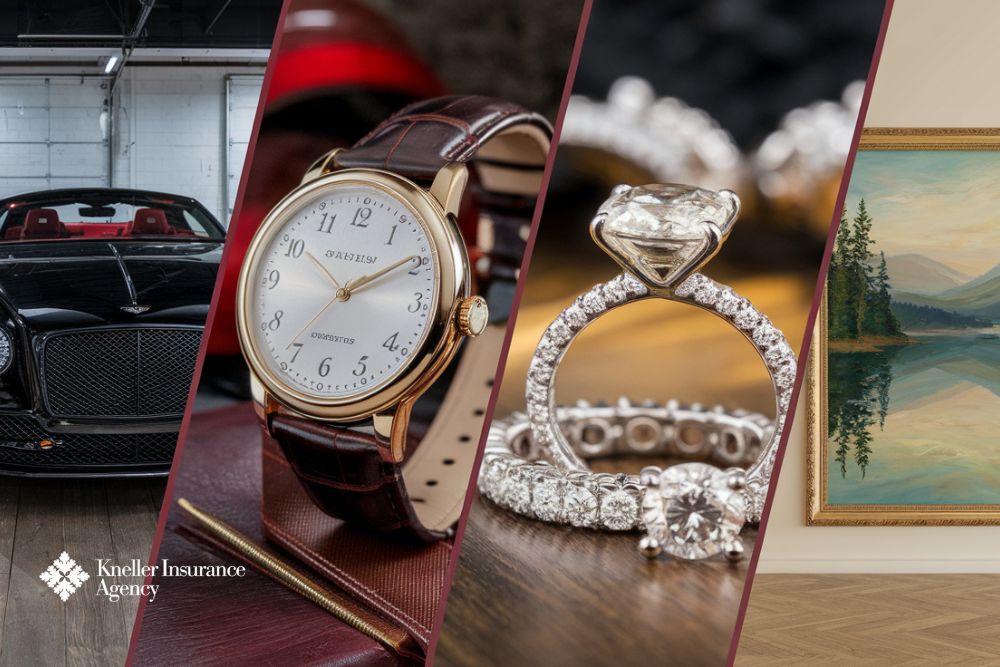
Owning high-end watches, heirloom jewelry, or a small collection of contemporary art brings a lot of joy — and a new responsibility: protecting those valuables in a world where standard home policies often fall short. Collectors like Ava, who inherited a pair of vintage wristwatches and a signed print, discovered that a typical homeowners’ policy might only cover a few thousand dollars for jewelry or art, leaving a big gap between sentimental worth and actual protection. In 2025 the market for luxury items remains robust and mobile, so insurance that follows the object — whether in a safe, at a gallery, or on a cross‑country trip — matters more than ever.
Specialized solutions exist to close that gap: scheduled property endorsements, standalone valuable-articles policies, and insurer programs tailored to collectors. Getting the right coverage often means getting professional appraisals, choosing providers that understand niche risks, and keeping valuations current as markets shift. Firms offering options like EliteGuard Insurance or LuxProtect Coverage advertise policies that emphasize agreed-value payouts and worldwide protection, which can be decisive after a loss.
This piece walks through why standard coverage isn’t enough, the kinds of policies that fit different luxury categories, and practical steps to buy protection that actually replaces what you love. Along the way you’ll meet a fictional collector and a small independent agency that illustrate common pitfalls and smart moves. Expect clear examples you can act on, from documenting a collection to negotiating an appraisal clause with a carrier such as PremierValuables Insurance or a boutique underwriter like Opulent Shield.
En bref — key takeaways: protect high-value items with scheduled personal property or specialty policies; secure certified appraisals and keep them current; prefer agreed-value or full replacement options; confirm worldwide coverage and storage clauses; compare niche providers like PrestigeSecure, LuxuryAsset Protect, NobleGuard Insurance, Exquisite Coverage, Platinum Safeguard, and ExclusiveItem Insurance.
How to insure luxury items: scheduled personal property and specialty policies
Most homeowners and renters policies include personal property cover, but they typically apply sublimits to items such as jewelry, watches, and fine art. That means a single claim can quickly exceed the policy’s cap, leaving owners underinsured for pieces that appreciate over time.
The practical fix is a scheduled personal property endorsement or a standalone policy that names each item and its agreed value. These arrangements prioritize full restoration or agreed-value payout, and often include extras like coverage for professional restoration, transit, or display at exhibitions.
Why standard homeowners or renters insurance often leaves gaps
Home policies may limit jewelry coverage to roughly $1,000–$2,000 per item or per category, a figure that hasn’t kept pace with values for high-end pieces. For example, a signed contemporary print or a rare vintage watch will usually require scheduled coverage to get an accurate payout if stolen or damaged.
Storage situations complicate matters: items kept in offsite storage, shown at galleries, or loaned to museums can fall outside basic coverage unless your policy explicitly includes worldwide coverage or an endorsement for exhibition and transit. That’s where specialty names like EliteGuard Insurance and LuxProtect Coverage differentiate themselves with tailored clauses.
Ava’s anecdote: she once stored a signed lithograph at a local gallery that suffered water damage during a plumbing failure; because she had scheduled the print with PremierValuables Insurance, the insurer paid agreed value and covered restoration costs. Lesson: documentation and the right endorsement change outcomes.
Key insight: never assume a homeowners policy will fully replace an appreciating or unique item — schedule it or buy specialty coverage.
Types of luxury items and the insurance they need
Different categories demand distinct coverages. Fine art often requires valuation methods that track market prices and restoration needs, while antiques call for coverage that recognizes historic construction and provenance. High-end watches and jewelry benefit from theft-and-loss protections that include international transit and repair allowances.
Classic cars need agreed-value policies that consider rarity, restoration quality, and usage restrictions, whereas sports memorabilia or collector cards rely heavily on authenticated provenance and grading reports. Musical instruments, particularly vintage ones, require coverage for professional use and specialized repair services.
Case study: a small collection of contemporary ceramics kept by a collector who frequently exhibited regionally required a policy with exhibition coverage. By switching to a provider offering Opulent Shield style terms, the owner secured transit insurance and restoration sublimits that matched the true risk.
Key insight: match policy features to the item’s use — display, travel, storage, or professional use determine the clauses you need.
How appraisals, agreed value, and endorsements change a claim
An up-to-date, certified appraisal is the backbone of accurate coverage. Appraisals establish provenance, condition, and market value, and they form the basis for an agreed-value clause so you get the expected payout rather than a depreciated amount. Insurers often accept appraisals from recognized specialists, auction houses, or accredited appraisers.
Endorsements like scheduled personal property, transit/exhibition coverage, and worldwide protection should be negotiated before a loss. Some carriers will offer appraisal services or partner with experts to validate values, which helps prevent disputes when a claim arises.
Example: Noble collector Marcus insured a set of rare watches without agreed-value terms and received a settlement far below his expectations after a theft. After switching to a policy from insurers offering PrestigeSecure and adding agreed-value language, future claims would have been paid at the pre-agreed amount.
Key insight: documented appraisals plus explicit agreed-value clauses reduce settlement disputes and accelerate payment.
How to buy the right policy for your luxury collection in 2025
Start with a full inventory: photos, serial numbers, purchase receipts, and provenance documents. This foundation makes appraisals more credible and speeds claims processing. Many independent agencies can help compile a digital catalog and recommend appropriate endorsements.
Shop beyond big-box insurers. Boutique programs such as LuxuryAsset Protect, NobleGuard Insurance, and Exquisite Coverage specialize in valuations and claim handling for luxury items, while broader firms offering Platinum Safeguard packages may bundle home and valuables cover for convenience. Compare policy language, exclusions, transit clauses, and agreed-value wording before committing.
If you want a real-world next step, a full-service independent agency — the kind represented by firms like Briggs Agency — can review your inventory and suggest tailored options. Contacting such an agent for an insurance review will reveal coverage gaps and provide quotes from multiple specialty underwriters.
Key insight: documentation, targeted appraisals, and comparison shopping with specialty providers such as ExclusiveItem Insurance produce the best match between price and protection.