Insurance premium hikes: reasons and solutions — In 2025, millions of Americans wake up to premium notices that feel less like routine bills and more like financial milestones. Between shrinking subsidies, higher drug and supply costs tied to global trade shifts, and risk pools getting sicker, health insurance costs have moved from a background annoyance to a headline problem. For many families the monthly premium now competes with rent or groceries; for small businesses it threatens the ability to offer competitive benefits. This piece follows real-world examples and practical fixes, showing why premiums climbed so steeply, which market forces keep them rising, and what consumers, employers and policymakers can realistically do next. Expect concrete anecdotes — like a single parent balancing a $700 monthly bill — and tested strategies such as group purchasing and targeted wellness programs that can blunt the blow. The goal is to equip readers with clear actions today and policy levers for tomorrow so coverage remains meaningful rather than merely expensive.
- Premiums outpacing wages: employer-family plans averaging over $25,000 annually and steady annual hikes around 6%.
- Marketplace volatility: ACA plan premiums jumping by about 20% on average this year in many states.
- High out-of-pocket risk: average deductibles for silver plans near $5,000.
- Localized shockwaves: insurer proposals, like a proposed 66.4% spike in New York, can reshape local markets.
- Actionable moves: shop tools, join alliances, push for extended subsidies and smart regulation.
Why insurance premiums keep climbing in 2025: the big drivers
Insurers and regulators point to a mix of structural and transient pressures. The end of federal subsidies in some areas and a shrinking ACA pool have left markets skewed toward sicker enrollees, which insurers describe as an “acuity-driven” spiral that raises costs for everyone.
External economic forces also feed the trend. New tariffs and higher production costs have pushed up the prices of drugs and medical supplies, costs ultimately reflected in premiums. Add rising hospital expenses and more complex treatments, and the math becomes brutal: premiums go up when claims costs do.
Insight: until the risk pool balances and external cost drivers ease, premiums will keep pressuring households and employers.

Policy shifts, subsidy expirations and market reactions
One key policy driver this year has been subsidy changes that leave many with higher net premiums. When sizable subsidies disappear, healthier people are more likely to drop coverage, concentrating risk among those who need care most.
That concentration raises premiums further, and regulators in some states have responded unevenly: a few push back on steep rate filings while others risk insurer exits if they block hikes. For consumers seeking reliable guidance, resources like common insurance myths debunked help separate fear from fact.
Insight: policy design that stabilizes subsidies or spreads risk is essential to stop the feedback loop driving rates higher.
How families and small businesses are coping right now
Meet Maya, a fictive single mom in a rural county who faces a choice between a $700 monthly premium and cutting back on essentials. She’s not unique; many households juggle basic needs to stay covered, turning insurance from protection into a recurring financial stressor.
Small employers tell a similar story. Greenfield Bakery, a hypothetical small business, considered dropping contributions but instead joined a local purchasing alliance to keep offering benefits. Group buying helped them access better pricing and reduced employee contributions.
Insight: collective strategies and careful plan design can preserve coverage without bankrupting small employers.
Practical steps consumers and employers can take today
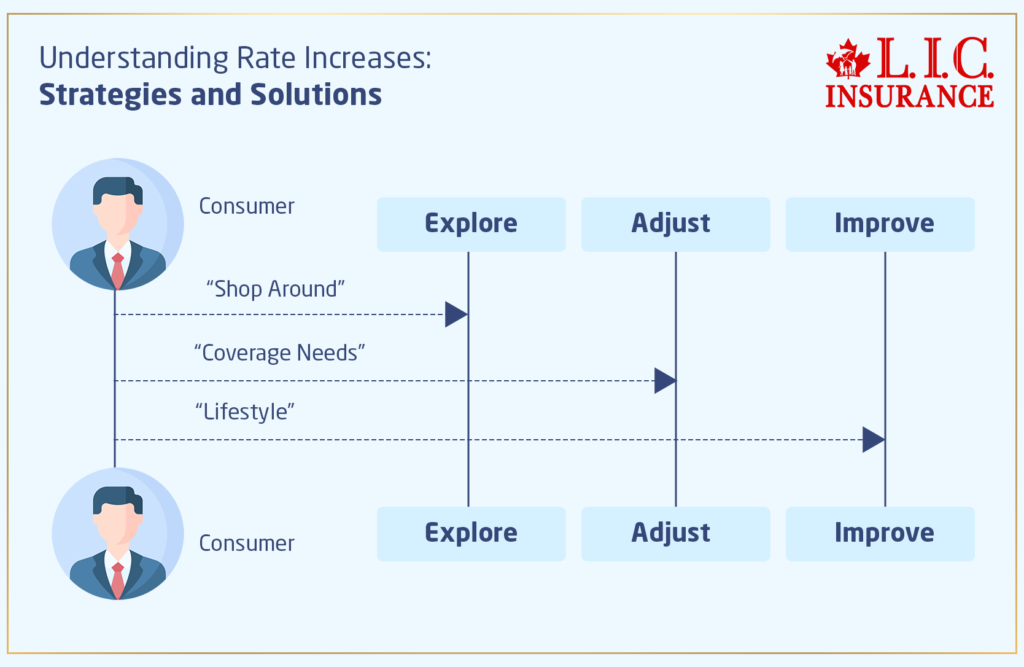
Consumers should compare plans on marketplaces and watch for enrollment windows; a deeper look at plan networks and deductible structure can reveal real cost differences. For renters or people assessing limited budgets, reading up on coverage basics like those in renters insurance basics can avoid surprises when claims happen.
Employers can explore joining multi-employer trusts or association health plans to gain scale. Investing in preventive care and wellness programs has measurable returns: some initiatives cut claims by up to 15%, easing premium pressure over time.
Insight: immediate relief often comes from smarter shopping and pooling risk, while long-term gains require investment in population health.
Tools, tech and named solutions to shop smarter
New platforms and products can make a difference at the consumer level. Tools like PremiumGuard and RateShield help monitor pricing trends and compare plan costs across carriers, flagging unexpected increases before renewal.
On the claims side, services such as ClaimCare speed approvals and reduce out-of-pocket surprises, while PolicyProtector and RenewSafe focus on maintaining continuity of coverage during employer changes. For customers seeking simpler billing and clearer options, solutions like PremiumEase and InsureSmart package comparisons and alerts into plain language.
Insight: combining tech tools with informed plan choices can cut wasted spending and prevent sudden coverage lapses.
Where policymakers and regulators can focus
At the public level, extending or targeting subsidies can prevent the worst market unraveling. Introducing a state-level public option or encouraging competition with transparency measures — initiatives backed by advocacy groups such as FairRate Solutions — can put downward pressure on premiums.
Regulators should also scrutinize rate filings and require clearer justifications for major hikes. Public pressure matters: voters pushing affordability up the agenda encourages lawmakers to act before coverage becomes unattainable for broad swaths of the population.
Insight: policy fixes that stabilize risk pools and increase competition will have the biggest impact on long-term affordability.
Where to learn more and act
Start by comparing plans and reading trustworthy explainers to avoid costly mistakes; resources like common insurance myths debunked and guidance on renters insurance basics provide practical primers. If you run a small business, look into local alliances and pooled buying to protect benefits while managing budgets.
Finally, keep an eye on tools such as HikeWatch that track rate proposals, and consider joining local advocacy campaigns that press for sensible reforms. The fight over premiums is part consumer action, part employer strategy and part public policy — all three must move together to restore affordable coverage.
Insight: informed consumers, smarter employers and targeted policy change are the three levers that together can bend premiums back toward affordability.