
When Alex bought his first house and car in 2025, friends bombarded him with half-truths: that insurance is a waste until you claim, that a red car costs more to insure, and that renters’ policies only protect laptops. What Alex discovered while calling insurers, reading policies and talking with advisors was a different story — one where nuance matters more than folklore. This piece walks through the myths people still believe, using real-world examples, insurer practices and simple checks you can run tonight. Expect concrete tips on spotting exclusions, when to add riders, and how credit, age and driving history actually influence premiums. Along the way we’ll reference market players and products like ClearCover and Insight Insurance, and explain how new offerings from brands such as FactGuard and TruthShield aim to improve Policy Clarity. By the end you’ll spot the difference between marketing spin — think MythBuster Insurance headlines — and the protection that matters, whether it’s True Assurance for your family or a FactSafe plan for unexpected health costs. This is about avoiding pitfalls and making choices that actually protect your finances, not about pushing the most expensive option.
En bref : Insurance is risk transfer, not an expense you “lose”; read your policy for exclusions like floods or long-term care; buy life insurance early to lock lower rates; auto rates are driven by vehicle model and driving record, not color; compare insurers for service and true coverage — price alone can be misleading.
Common insurance myths debunked: what really affects your premiums and protection
People often treat insurance like a one-size-fits-all commodity, but the truth is that coverage depends on policy language, underwriting rules and your personal profile. For example, Alex learned that two policies with similar premiums can have vastly different deductibles, limits and exclusions.
Insurers like Debunked Cover and niche players such as Reality Risk have pushed clearer disclosures, yet myths persist because advertising and anecdote spread faster than policy documents. The key is to focus on the contract terms, not the tagline. This is the start of smarter protection.

Myth: “Insurance is a wasted expense; I’ll never use it” — the real payoff
The problem: many skip coverage because they don’t expect a claim and view premiums as sunk cost. That can be catastrophic when a single event — a house fire, major car accident, or sudden illness — wipes out savings.
Solution: treat insurance as a hedge. Look at scenarios: rebuilding a home after a fire can cost tens of thousands; medical bills from an ER visit or surgery can exceed most emergency funds. Alex ran a simple risk model and realized the annual premium was far less than a single major claim.
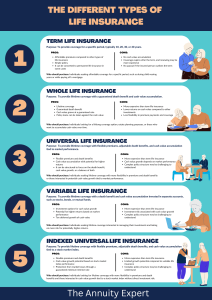
Example: a 30-year-old buyer who secures term life early often locks substantially lower rates compared with purchasing at 50, a core reason Life insurance basics recommends early coverage planning. Insurance transfers extreme financial risk — that’s its real value.
Myth: “Car color affects auto insurance rates” and other auto misconceptions
The problem: popular belief says flashy colors or body style equal higher premiums. In reality, insurers set rates using claims data tied to make, model, engine size, safety features, theft statistics and the driver’s record.
Solution: focus on the vehicle’s safety ratings and repair costs. Installing advanced driver assistance systems or choosing a car with strong theft deterrents often reduces premiums more than any cosmetic choice could. Alex saved on his policy after choosing a model with better crash-test scores and a lower repair estimate.
Example: companies branded as ClearCover-style disruptors emphasize simple quoting, but always compare the fine print for coverage limits. Policy clarity beats color-based myths every time.
Home, health and life: what standard policies do — and what they don’t
Homeowners’ policies typically cover fire, theft and certain liability events, but many standard policies exclude flood and earthquake damage. If you live in a flood-prone area or near known fault lines, you’ll need endorsements or separate policies to avoid big gaps.
Health insurance protects against medical costs, but coverage varies widely; some plans limit specialist access, elective procedures or certain drugs. Meanwhile, long-term care and custodial assistance are usually outside standard health plans and require distinct coverage.
Understanding these boundaries — whether buying from a mainstream insurer or a newer entrant like FactGuard — is essential to avoid surprises. Always verify critical exclusions before assuming coverage.
Myth: “Homeowner’s insurance covers all damages” — where owners get tripped up
The problem: homeowners assume “all” includes floods, earthquakes and routine wear-and-tear. That leads to underinsurance in regions with specific hazards.
Solution: identify regional risks, then add appropriate riders or standalone policies. For renters, a modest policy covers belongings and liability — often for less than the cost of replacing a single large appliance.
Example: Alex lives in a city with seasonal floods; purchasing a separate flood policy reduced his potential out-of-pocket risk dramatically. Identify regional exposures and plug coverage gaps deliberately.
Myth: “Health insurance is unnecessary if you’re young and healthy” and confusion with long-term care
The problem: young adults sometimes skip health insurance, assuming low near-term risk. But accidents and unexpected illnesses can happen to anyone, and medical costs can be ruinous without coverage.
Solution: keep basic health coverage and consider HSA-eligible plans for savings flexibility. Also evaluate whether long-term care protection or hybrid life/LTC products makes sense for family history or career exposure.
Example: a 28-year-old with a high-deductible plan used an HSA to build a safety cushion and later applied those savings to unforeseen dental surgery. Preventive coverage and savings tools are practical steps, not luxury buys.
Choosing the right insurer: price, claims service and trust
Not all insurers are the same. Differences show up in claims response times, the clarity of contract language and how strictly exclusions are applied. Names like MythBuster Insurance may sound reassuring, but independent ratings and customer reviews reveal operational reality.
Solution: request sample policy documents, read the declarations page carefully and check insurer complaint indexes. Use comparison tools, but prioritize real-world claims handling and the transparency of terms over a slightly lower premium.
Example: Alex compared quotes from three carriers and picked the mid-priced option because it offered clearer language on replacement cost and an above-average claims satisfaction score. Service in a crisis is worth a modest premium difference.
Myth: “Filing a claim always hikes my premium” — how to decide
The problem: fear of premium increases stops people from filing legitimate claims, leaving them to shoulder repair costs unnecessarily.
Solution: weigh claim amount versus your deductible and the likelihood of a surcharge. Some small claims may be cheaper to pay out-of-pocket, while larger ones clearly justify filing. Insurers differ in surcharge policies, so know your carrier’s approach.
Example: after a minor fender-bender, Alex chose to pay out-of-pocket to avoid a potential rate increase, but filed a homeowners’ claim after storm damage because repair costs far exceeded the deductible. Evaluate claims case-by-case with an eye on long-term cost.
Practical next steps to separate fact from fiction about your coverage
Start with the declarations page; that single sheet summarizes limits, deductibles and covered perils. Then ask about common exclusions, discount eligibility and how claims are handled. If life insurance is on your radar, consult a credible primer like Life insurance basics to understand term versus permanent options.
Consider reaching out to advisors who emphasize transparency — brands promising Policy Clarity and tools from firms like Insight Insurance can help you compare apples-to-apples. Finally, keep records of appraisals and receipts to speed any future claim.
Knowledge and documentation reduce surprise — and that’s real protection.