Electric vehicles are changing more than just the way we drive—they’re reshaping how we protect our rides. As EV adoption accelerates in 2025, insurers are having to price in costly battery repairs, new charging-supply risks, and software-driven failure modes that didn’t exist a decade ago. Owners like Alex, who bought his first EV last year, saw a sudden 15% premium increase despite an identical driving record; that jump wasn’t magic, it was math: heavier vehicles, expensive battery modules, and specialized repair networks translate into different risk assumptions. At the same time, advanced safety systems and lower average miles for many EV drivers create offsets that some insurers reward. This article walks you through what’s truly different about insuring an electric vehicle—how premiums are calculated, which coverages matter (from battery protection to charger damage), practical ways to save, and where the market is headed. You’ll find concrete examples, a short case study about a fried home charger, and insurer product names you should recognize when you shop: ElectricShield, VoltGuard, EcoRide Insurance, and more. Read on to learn how to avoid common pitfalls and pick a policy that fits both your wallet and your EV.
En bref : Higher repair costs (batteries and electronics) push premiums up for many EVs. Specialized coverage—battery, charger and EV-specific roadside assistance—matters. Shop smart: compare quotes from several providers; some, like EcoRide Insurance or GreenDrive Protection, price EVs more competitively. Save: bundle policies, use telematics, and ask about safety-tech discounts from carriers such as AmpSecure or SparkSafe Insurance. Future: usage-based pricing and AI-driven claims are making policies fairer by 2025.
What you need to know about insuring an electric vehicle: core differences and real costs
Insuring an EV is still auto insurance, but with important twists. The most immediate factor insurers consider is the battery: damage or replacement can run into thousands, driving up potential claim costs.
Beyond batteries, insurers also price in the car’s weight, the complexity of electronic systems, and availability of certified repair centers. For example, when Alex nicked a curb, diagnostic checks and sensor recalibration turned a routine fix into a pricey claim—an effect many new EV owners notice.
These causes (expensive components + specialized labor) have the effect of higher base rates for some models, but not universally. Cars with robust safety suites can earn discounts, and low-mileage urban drivers may see lower premiums. The key insight: always look past the headline premium and compare coverages tied to EV-specific risks.
How insurers evaluate risk differently for EVs
Insurers break down risk into component costs and driving exposure. High-performance or brand-new EVs often attract higher premiums because parts are pricier and repairs need trained technicians. The scarcity of specialists—especially outside major cities—magnifies labor costs and repair time, which insurers factor into pricing.
At the same time, advanced driver-assistance systems reduce accident frequency. Companies such as ElectricShield and VoltGuard now offer reduced rates for vehicles with lane-keep and automatic emergency braking, recognizing the safety dividend.
Example: a 2024 compact EV used mostly for local commuting may cost less to insure than an imported performance EV used for cross-country trips. Bottom line: insurers mix vehicle-specific repair cost projections with usage patterns to set your premium.
Coverage options tailored for electric vehicles: what to add and why it matters
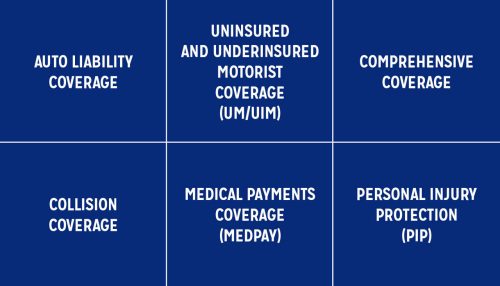
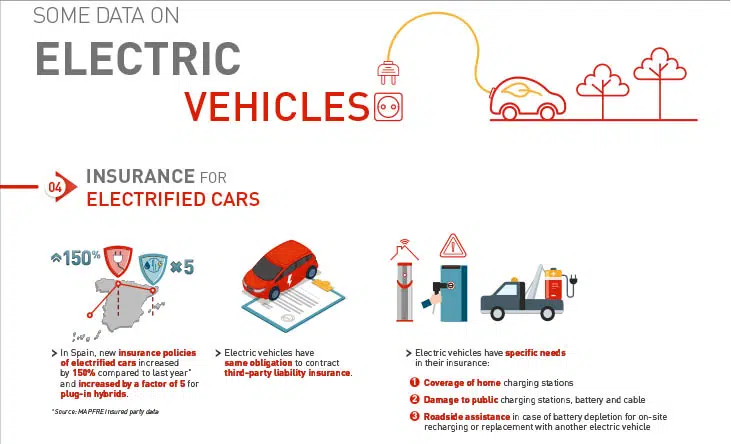
Standard collision and comprehensive cover most scenarios, but EV owners should pay special attention to a few add-ons. Battery damage and battery replacement coverage can be separate or explicitly listed under comprehensive terms. Without it, a thermal event or manufacturing defect could leave you with a large out-of-pocket bill.
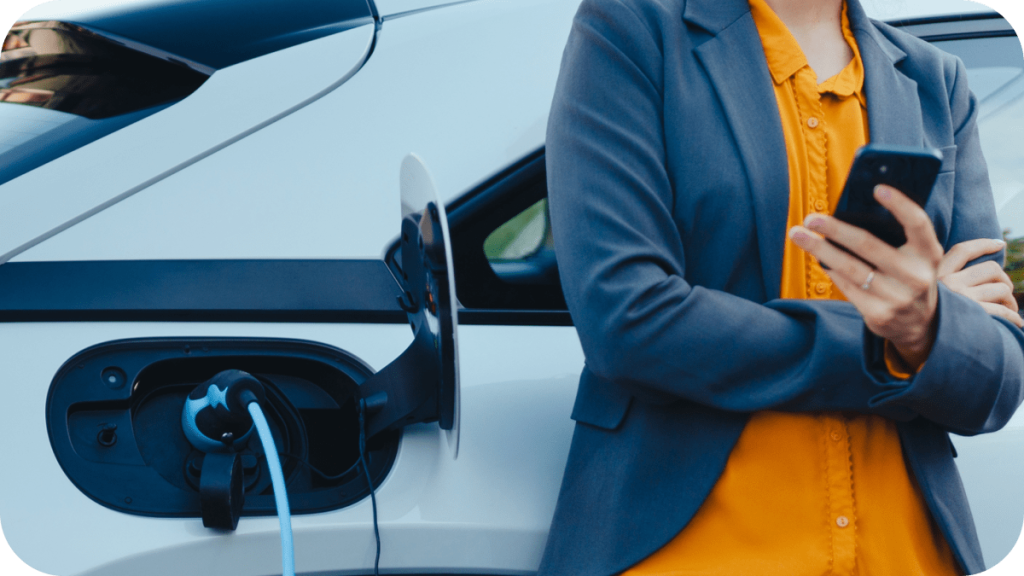
Home and public charging equipment are another blind spot. When Alex’s neighbor had a wall charger fail during a storm, the claim was denied because the policy didn’t cover external EV equipment. Policies from providers like ChargeCover or PlugIn Protect specifically address charger theft and damage.
Finally, EV-aware roadside assistance—providers such as CurrentCare market EV towing and mobile charging services—prevents improper towing that can harm an electric drivetrain. The take-away: confirm whether your collision/comprehensive policy references battery, charging equipment, and EV-specific towing, because those clauses change outcomes when you file a claim.
Collision, comprehensive and battery-specific nuances
Collision covers accidents with other vehicles or objects; comprehensive handles non-crash incidents like theft or weather damage. However, because a damaged battery is a high-cost item, some insurers require a distinct endorsement to cover battery replacement or long-term degradation.
Practical example: a hailstorm damages body panels and a battery cell. If battery replacement isn’t included, you might only be covered for bodywork, leaving a major expense uncovered. Ask about policies from carriers such as ElectroProtect or SparkSafe Insurance, which have explicit battery endorsements.
Insight: always read the policy language for battery and charger clauses—the difference between a full fix and a large bill can hinge on a single sentence.
How to shop, save, and customize an EV insurance policy without overpaying
Start by getting quotes from at least three insurers; private tests show notable spread between providers. When I compared offers for a mid-range EV, the gap exceeded $400 a year between the cheapest and the priciest. Names to request quotes from include EcoRide Insurance, GreenDrive Protection, and smaller telematics-forward firms like AmpSecure.
Don’t skimp on gap insurance if you’re financing—EV values and software-driven updates can affect depreciation trajectories. Also evaluate deductible levels: very high deductibles save on premiums but can make repairs unaffordable when they occur.
Consider safety and usage discounts. Bundling home and auto, installing anti-theft tech, or enrolling in a usage-based program can produce meaningful savings. Final tip: ask whether the insurer has certified repair networks for EVs—faster, cheaper claims flow from a qualified shop partnership.
Practical tips and a short case study
Case study: Alex switched from a legacy carrier to a tech-focused insurer after getting three quotes. The new policy included a battery endorsement and discounted telematics plan that tracked smooth driving; he saved around 12% yearly and gained faster access to certified repair shops.
Actionable steps: document your charger installation invoice, keep service records, enroll in approved driving programs, and always confirm whether a policy covers charger damage. These small moves reduce surprises and often trim premiums.
Takeaway: smart shopping and targeted endorsements beat blanket price cuts—tailored coverage is the most cost-efficient route for EV owners.
Where EV insurance is headed in 2025: telematics, AI, and market evolution
The market is shifting toward more precise pricing as telematics and AI become mainstream. Usage-based insurance models now let carriers measure real driving behavior, rewarding low-risk EV drivers with dynamic discounts. Firms like VoltGuard and ElectricShield are already piloting these programs.
Predictive analytics also speed up claims and spot emerging failure patterns, such as battery degradation signatures or software update-related faults. This drives better underwriting and faster recalls or targeted service campaigns.
Finally, increased competition and regulatory attention in 2025 are encouraging insurers to create EV-specific products—expect more options from players like ElectroProtect, PlugIn Protect, and CurrentCare. Insight: as data improves, fairer, usage-sensitive pricing will make EV insurance more competitive and personalized.